
Jump To
For 27 years, I’ve been neurotically obsessed with giving you recipes that work every time. That’s not just a bunch of yada, yada! I created a rigorous and unique testing process to back it up. Since 1999, when I launched Leite’s Culinaria, my focus has been on real-life results that hold up, and over the years, I’ve fine-tuned my approach with the help of a massive, equally obsessive gaggle of recipe testers.
The birth of a recipe testing program
When I started LC way back in the Internet’s Pleistocene Age, I wanted it to be more than just a bunch of recipes. The original concept was to test-drive new cookbooks and ferret out the winners—and losers—so you didn’t have to. To do that, I assembled a small but wickedly dedicated group of volunteer recipe testers, a community that grew more than 150 passionate home cooks throughout the world. Their only job? To put every recipe through the gauntlet. If it fails, it’s out. Period. end of sentence.
Anonymous recipe testing
Our testing process stands out because it’s 100% anonymous. If a recipe comes from a published cookbook, we strip out any identifying details before sending it to the testers. testers never know the name of the author or the book’s title.
And that applies to me, as well. (Live by the sword, die by the sword, I guess.) If I’m developing a new recipe, the testers have no idea it’s my recipe. This blind testing ensures their feedback is unbiased and honest.
A two-week testing process
Every recipe goes through a punishing two-week testing phase. Our testers make the recipe in their own kitchens, using their own ingredients and cooking in their own pans. They must follow the instructions exactly (no freelancing here), and then evaluate it on various criteria.
Here’s what happens:
- The Science (the boring numbers part): Each tester scores the recipe on a detailed scale we’ve perfected over the years. We analyze these scores strictly mathematically, looking for trends and consistency. If a recipe falls below a certain average, it’s gone.
- The Art (the human part): For those recipes that make the cut, I pore over the testers’ reviews and comments. This is where the real magic happens. I take this feedback dead serious. It might be a minor tweak to the wording. A note on how to make a recipe clearer for home cooks. A pairing or substitution no one thought of. Or a brilliant new way to make the dish. (Hello, Instant Pot, slow cooker or sous vide.) I told you, these guys are hardcore!
I then rewrite the recipes based on the testers’ feedback. Sometimes, this triggers a second round of testing with a smaller group of senior testers to make sure everything’s up to snuff.
The most-popular recipes are retested regularly
I purposely avoid making the most popular, highly trafficked recipes on my site. (Sounds weird, I know. Hear me out.)
When I’m developing a recipe or testing one from a cookbook before deciding to include it on the site, I make it ad nauseam. As do my recipe testers. But that builds a certain bias when cooking. A muscle memory takes over, and I can go on autopilot.
In psych terms, it’s called the “Curse of Knowledge,” a widely recognized phenomenon where an expert forgets what it’s like not to have their know-how.
To combat that, I make the most popular dishes on my site only two or three times a year. That gives me plenty of time to conveniently forget the nuances, visual cues, and workflow. So, when I roll up my sleeves in the kitchen again, I can look at the recipe as a newbie. And that allows me to tweak, adjust, tinker, and polish the recipes even more. I look at the recipes on my site as living documents. They’re always growing, always getting better.
When things go sideways, plus recipe triage
My obsession with quality doesn’t stop once a recipe is published. If a reader reports a problem—especially if it’s an epic fail—I dig in.
First, I try to rule out user issues. I ask the cook if they improvise with substitutions. Did they use the wrong equipment? (A stand mixer is a hell of a lot more powerful than a hand mixer.) Is their oven uncalibrated? Did they go off-script with instructions? That kind of thing.
If we can’t pinpoint a user error, the recipe goes into “Triage Testing,” where my team works to recreate it.
If we can pinpoint a flaw, I update the ingredient list or tweak the instructions to make it foolproof. I then share our changes in the recipe comments so readers know we’re on top of things and always improving our content.
Removing recipes (It does happen)
In June 2026, I put a burger recipe into triage testing because of a salt-amount issue, and I temporarily yanked it from my site because it costs between $120 and $180 to make, depending on the meat. I couldn’t risk home cooks laying out that kind of money only to get a less-than-stellar result.
So, I recorded this urgent video message for my community and newsletter subscribers and gave them a menu of 20 other burger options. After several rounds of testing, trying to keep true to the cookbook’s recipe, I decided to delete the recipe for good. I’d rather have fewer superb recipes than pad the site with pages to rank better on Google.
A self-improving recipe system
Believe it or not, not every recipe stands the test of time. Trends change, people’s tastes evolve, and certain techniques fall out of favor. (Proof: Does anyone still make aspic?) If a recipe receives more than a few random negative reviews—or just isn’t popular—I nix it. My goal isn’t to have the most recipes on the block—it’s to have a collection of recipes that work. Our library of recipes is constantly evolving, getting better and more refined—but not always bigger—as I learn from our testers and readers.
The testing process in action: A real-world example
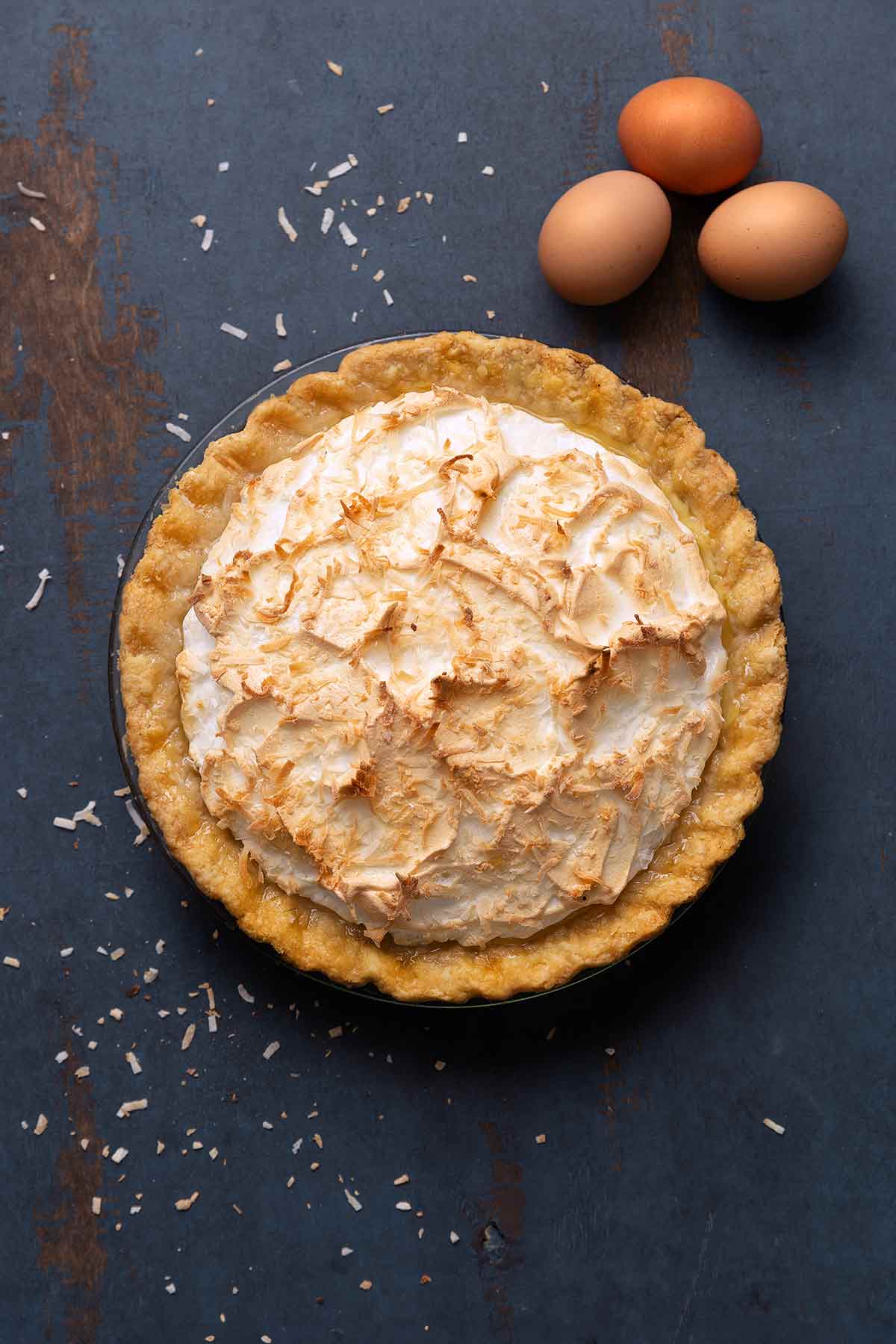
Here’s just one example of how Leite’s Culinaria’s testing process works.
Several years ago, a dedicated reader made a cream pie from our site three times, following the recipe to the letter. Each time, she ended up with a runny filling. Instead of giving up, she reached out.
This is where my recipe triage system kicks in. I immediately put the recipe into intensive testing. Multiple testers made the pie and discovered the culprit: cornstarch. While it’s a common thickener, cornstarch can be surprisingly temperamental, affected by everything from cooking temperature to the amount of acid in your pie.
We redeveloped the recipe using flour as the thickening agent, ran it through another round of testing, and published the updated version. Since then? Not a single complaint about runny filling.
This is exactly why our testing process matters—we don’t just publish and forget. We monitor, we respond, we improve.
Why our recipe testing makes a difference
- Trustworthy Results: Our exhaustive testing process means you can have confidence that our recipes will deliver as promised, whether it’s a classic coq au vin or a new twist on shepherd’s pie.
- Expert-Led Quality: With decades of experience and a community of testers behind us, we bring unmatched reliability to every dish.
- Transparency and Improvement: We don’t hide from mistakes. Instead, we use them to improve, ensuring our site remains a trusted resource for home cooks around the world.
By the numbers
- 25 years of comprehensive recipe testing
- More than 1,200 recipe testers worldwide since 1999
- In 2024, there were 110 active testers across multiple continents
- Two-week intensive testing period for each recipe
- Up to 300 recipes tested annually, at our peak
- Only 68% of tested recipes make it to publication
That last statistic is particularly telling: I reject nearly one-third of the recipes we test. Why? Because “good enough” isn’t good enough for our readers. When you see a recipe on Leite’s Culinaria, you know it’s not just tested—it’s proven.
If you want the unvarnished truth about how difficult it is for independent sites to survive the AI-first modern web, read my full conversation with Dianne Jacob, titled (“David Leite Hates Being Google’s Bitch”).
Join our community
If you’re tired of blech recipes or AI-generated slop (DON’T GET ME STARTED!!!), you’re not alone. If you’re jonesing for people-tested, editor-approved dishes, you’re in the right place. At Leite’s Culinaria, we’re ridiculously fixated on giving you recipes that work—every time.
Bottom line: we do all the work, so you can take all the credit.
Chow,