You don't have to wait until warm weather for clam shack-style fried clams. With this recipe, you can have them anytime you get a hankering. Whole belly ones, natch, which are the best. And it's so ridiculously easy. (I updated the recipe with the advice of a retired New England fry cook.)
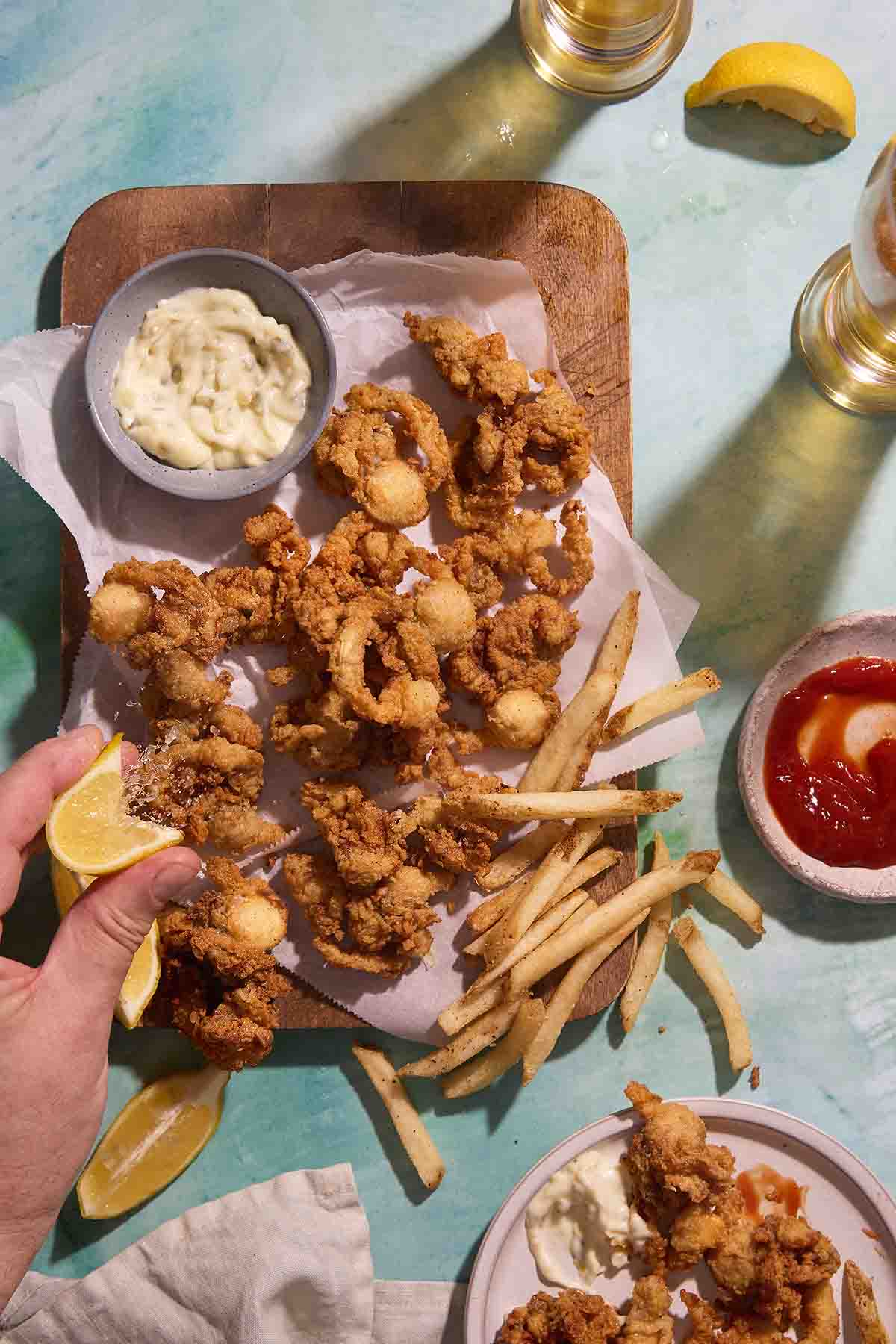
What it is: New England clam shack-style fried clams—whole belly steamers, dipped in evaporated milk, dredged in a corn flour and cake flour fry mix, and fried until shatteringly crisp. The real ones. Not strips.
Why you’ll love it: The technique comes straight from the fry cooks who’ve been doing this since Lawrence “Chubby” Woodman fried the first clam in Essex in 1916. The belly is the star.
How to make it: Mix the fry coating, heat oil to 375°F (190°C), dunk the clams in evaporated milk, dredge in the fry mix + fry in small batches for about 90 seconds. Devour. Leftovers? Ha!
I’ve made no secret of my absolute addiction to fried clams—especially clam shack-style fried clams with big, luscious, profane whole bellies. In the article I wrote for the New York Times, I recounted going as a kid to Macray’s, a local clam shack in Westport, MA., several Sundays during the summer.
There, my parents, grandparents, godparents, cousins, and I dove into pints of deep-fried oceanic goodness. My only regret as I tapped the last bits of crumbs from the greasy red-striped box into my mouth was that we couldn’t make them at home. That little snag meant this treat would be relegated to the hot, steamy days of a New England summer.
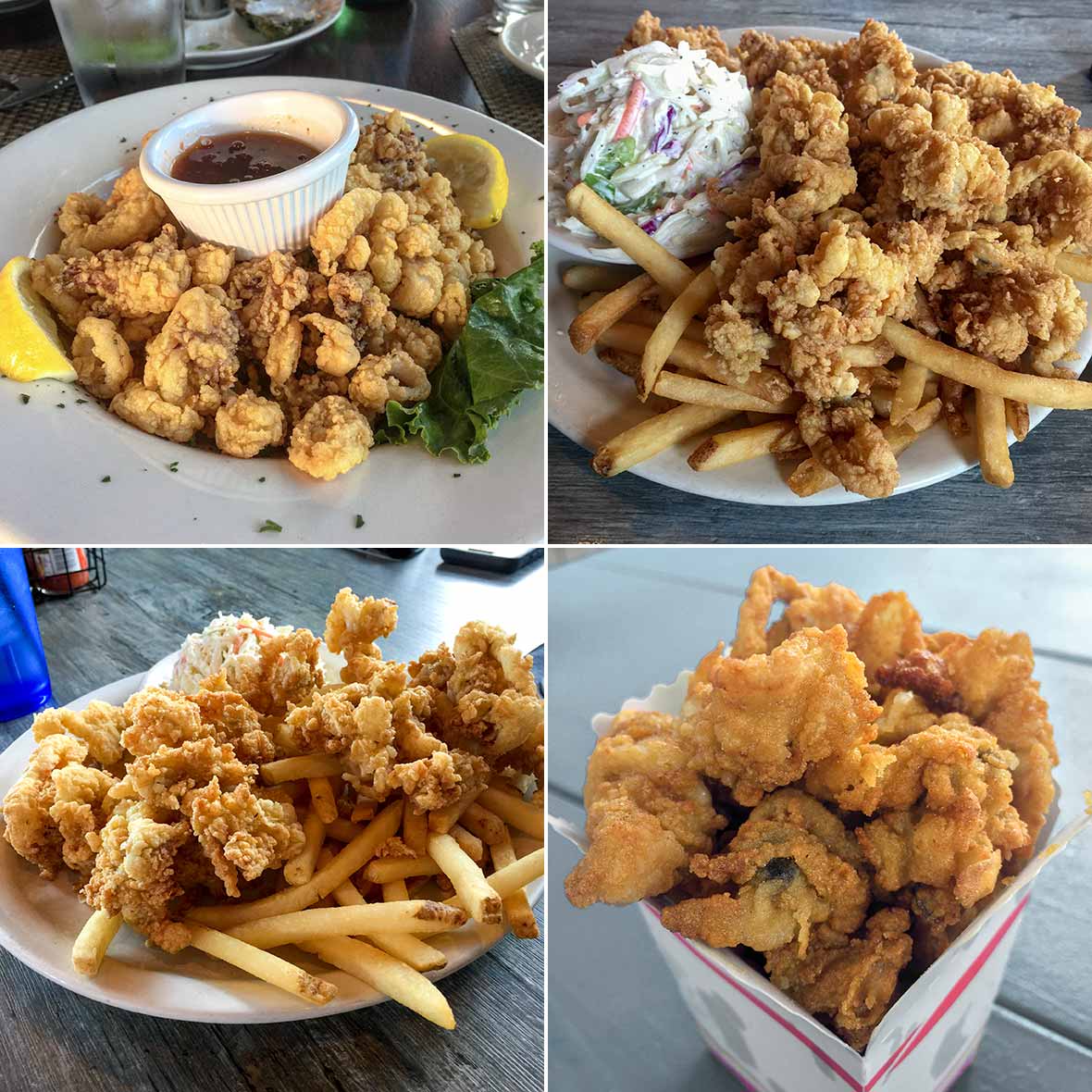
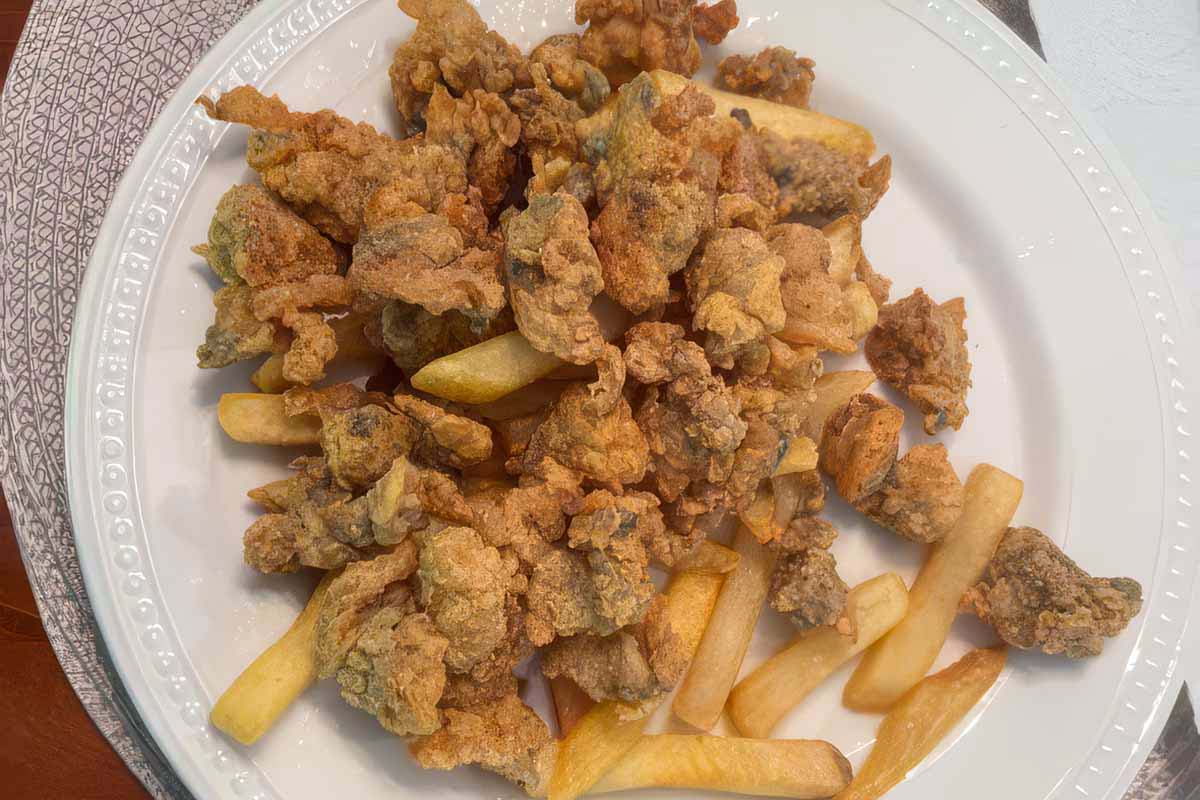
: David Leite Just four of the hundreds of fried clam meals I’ve eaten over the decades.
That is until I learned to shuck steamer clams at home. It’s a simple process of dipping the clams in boiling water for several seconds, which helps pop the shells but doesn’t cook the meat. The clams are then dumped into cold water. Then it’s a matter of taking a knife and releasing the clam from its shell.
For years, my absolute go-to method was the brilliant recipe from the great Jasper White’s The Clam Shack Cookbook. I’d make it exactly as written, though I was often tempted to doctor up the coating mix with all kinds of herbs and spices. (Yes, for a moment I thought of myself as the Colonel Sanders of Seafood.)
But a while ago, a long-time reader—who just so happens to be a fry cook at a legendary New England clam shack—let me in on a few of his insider secrets. Taking his advice, I swapped White’s standard buttermilk for evaporated milk, which helps the coating stick and caramelize beautifully without adding any tartness. I also cut the breading with cake flour, rather than all-purpose, for an impossibly light, crisp finish.
As for those extra spices I wanted to add? “The secret to fried clams,” says Chickie Aggelakis, owner of The Clam Box in Ipswich, Mass., “is the flavor of the clams.” The coating and its crunch protect the tender belly meat. Mucking it up with spices—which is hard to resist—should be avoided at all costs.
Chow,
Featured Review
I spent all my summers in New England and fell in love with fried clams. I could eat them every day! Living in VA, they are impossible to come by. I was delighted to find and try your recipe! It is fantastic. Thank you so much! I plan to try the batter with flounder, too!
Cathy Jones-Hatcher
Why this fried clam recipe works
First, evaporated milk, not buttermilk. It’s the reason the coating caramelizes to that deep clam-shack gold without a lick of tartness competing with the belly’s brine. I use cake flour—lower protein, finer milled—with corn flour, and the crust shatters instead of chews. And then there’s Chickie Aggelakis, the late owner of The Clam Box in Ipswich, who gave me the whole philosophy in a single sentence: The coating exists to protect the belly, not to compete with it. So we kept the seasoning to almost nothing. The clams are the reason for the season.
Notes on ingredients
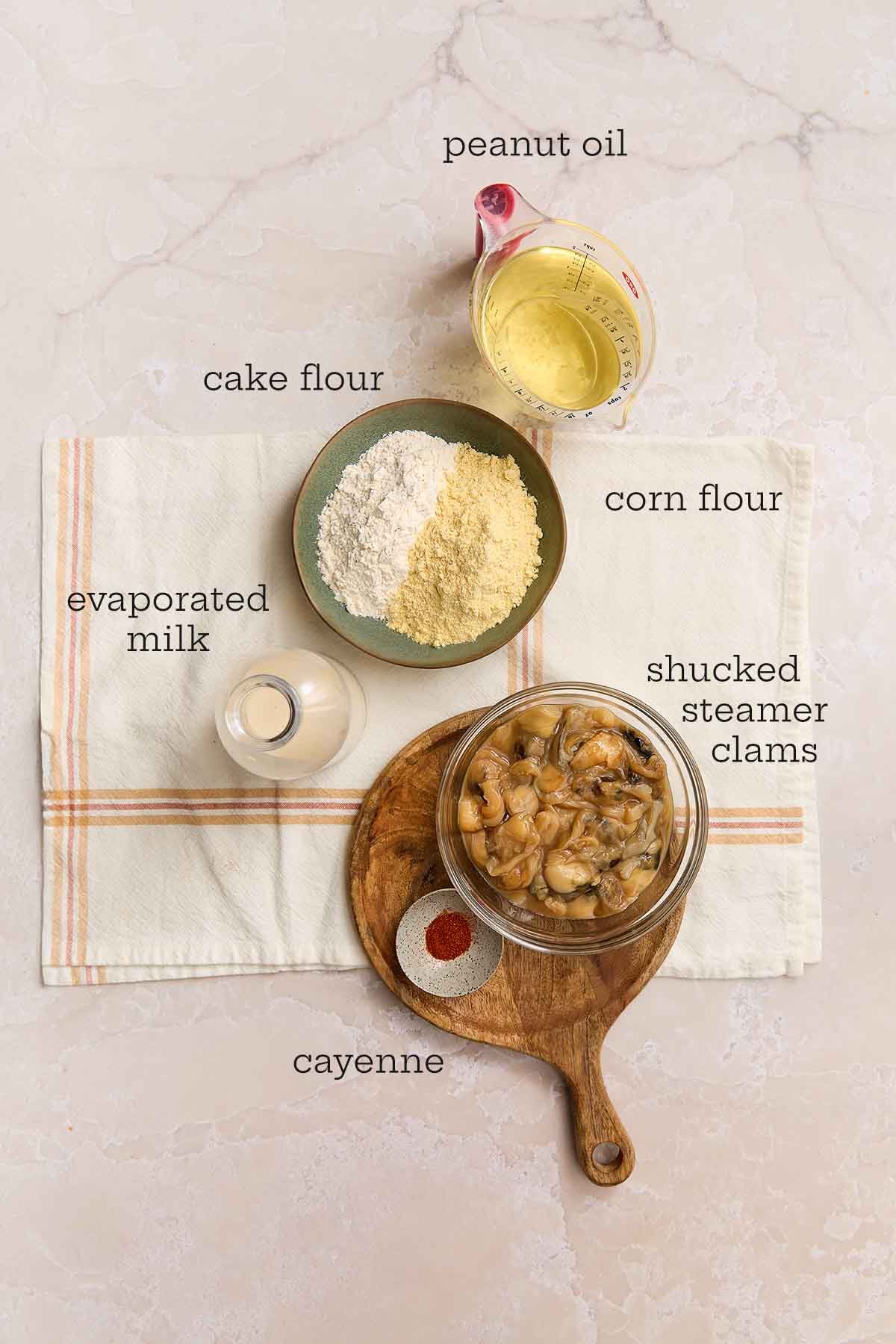
Shucked whole belly steamer clams—These are it. The only clam. Soft-shell steamers are also sold as Ipswich clams or Maine clams. Bigger is better. A large belly means more of that briny, mineral-y goodness. You can shuck your own (the video in the recipe card shows you how), or buy them pre-shucked from a reputable seafood source. Littlenecks, cherrystones, and strips? No. Just no.
Evaporated milk—The shelf-stable can in your pantry, not sweetened condensed milk. (A mistake I would prefer not to discuss.) Its lower water content means the coating grabs on and caramelizes beautifully.
Corn flour—This is what gives New England fried clams their characteristic sandy crunch and golden color. It is not cornmeal, though. That’s too coarse. And to our friends in the UK, Australia, and Canada: your “corn flour” or “cornflour” = cornstarch, which is ground from only the endosperm and makes a lousy coating for fried clams. Trust me.
Cake flour—Lower protein content means less gluten development, which means a crust that shatters on contact rather than chews. All-purpose can work, but the coating will be noticeably heavier. Spring for the cake flour.
Peanut, canola, or vegetable oil—You need a neutral, high smoke point oil that will hold steady at 375°F without breaking down or getting in the way of the clam. Peanut oil is my go-to.
Soft-shell steamer clams, specifically Ipswich clams from the mud flats of the North Shore of Massachusetts. The nutrient-rich mud those clams grow in produces a depth of flavor that clams from sandbars can’t match. Cape Cod clams tend toward gritty. Now, Maryland steamers, while impressively large, go soft in the fryer and break apart.
When Ipswich clams aren’t available, Maine clams are the closest substitute and widely available online.
Where can I buy shucked steamer clams?
If you’re not into shucking your own, as in the video below, I feel you. Here are three well-regarded online sources for shucked whole-belly clams.
What’s the difference between whole belly clams and clam strips?
Um, everything. Whole-belly clams are exactly that—a complete soft-shell steamer, belly and all, coated and fried intact. That plump, briny belly is the entire reason people drive an hour north of Boston on a summer Saturday.
Clam strips are slices cut from the adductor muscle of the larger Atlantic surf clam (blech, right?)—a completely different species, with no belly, no brine, and frankly no point. As I wrote in the New York Times after visiting 16 clam shacks in a single week in summer: No strip has the oceanic flavor of a true steamer with its belly firmly attached. This recipe is for whole bellies. Full stop.
What’s corn flour and where do I find it?
Corn flour is very finely milled cornmeal made from the entire kernel of corn—the germ, the bran, and the endosperm. I use Bob’s Red Mill brand.
🇬🇧 🇨🇦 🇦🇺 A caution to our friends the Brits and Aussies and Canadians. I know that in your corners of the world, “corn flour,” or rather “cornflour,” is synonymous with “cornstarch,” but that’s not what we’re talking about here. Cornstarch is ground from only the endosperm of the corn and makes a lousy coating for fried clams. Trust me.
What’s the best oil for frying clams?
Peanut oil is my go-to. It’s got a high smoke point, clean flavor, and is completely neutral. Canola is a perfectly fine alternative. Most New England clam shacks use canola or soybean oil. The legendary exceptions are Woodman’s and Essex Seafood in Essex, MA, both still fry in pure lard—carrying on the tradition of Chubby Woodman, who fried the first clam in lard in 1916. If you want to go that route, I ain’t gonna stop you! The results speak for themselves.
Fried clams pro tips & troubleshooting
☞ Your thermometer is your BFF
At 375°F, the crust sets almost the moment the clam hits the oil, sealing in all that briny belly goodness before any grease can get in. At 350°F — barely 25 degrees lower — the crust doesn’t set fast enough and the clam absorbs oil before it can brown. The result is heavy, greasy, and depressing. Clip the thermometer to the pot before the oil goes in, and check it between every batch. Cold clams drop the temperature. Every single time.
☞ Fry in small batches, no matter how hungry you are
The clams are right there. The urge to dump the whole pound and a half in at once is overwhelming. I know. Resist it. Crowd the pot and the oil temperature plummets, the clams steam against each other instead of fry, and you end up with a pale, clumped, soggy mess. Two batches. The second one will be just as good as the first, I promise.
☞ Listen to the clams (seriously)
An old clam shack owner once told me to listen as the clams fry. It sounds like mysticism. It works. The moment they hit the oil: loud, vigorous, high-pitched sizzle — moisture escaping fast. As they near done, the sizzle softens and settles into something lower and steadier. That’s your signal. They’re telling you they’re almost ready. Pull them right after that shift and don’t second-guess it.
What to serve with fried clams
Ah, fried clams. The ultimate clam shack experience. While they’re spectacular on their own, a few classic sides just make the whole meal sing. We’ve got you covered.
Don’t. Just don’t. They don’t store, they don’t reheat. This is a right-now, eat-them-straight-out-of-the-paper-bag situation. The bellies—which are the whole point—turn rubbery in the fridge. And no oven, no air fryer, no culinary witchcraft can remedy that. Make what you need. Eat every last one. If you have regrets tomorrow, make another batch.
If you make these New England fried clams, or any seafood dish on LC, consider leaving a review, a star rating, and your best photo in the comments below. I love hearing from you.–David
I grew up and spent most of my life near the New England coast. Whole belly fried clams were one of my guilty pleasures. I would go out and get them a few times a year.
I now live in the Pacific Northwest, and New England-style fried clams are unheard of here and not available. I decided to try to make my own. … I used fresh Manila clams, which I bought at a local Asian market. They’re a little smaller than the East Coast clams that I am used to. 2 1/2 pounds… were perfect for my wife and me. I will definitely be making these again. I fried them outdoors on a camping stove.
Clam Shack-Style Fried Clams
4.93 / 38 votes
This fried clams recipe tells you exactly how to make fried clams. Whole belly ones, which of course are the best. So easy.
peanut, canola, or other vegetable oil, about 6 cups
1cupevaporated milk
1 1/2poundsshucked whole belly steamer clams, See the video above for shucking your own (If shucking, you'll need 6 pounds of steamers in their shells)
Combine the 1 cup corn flour, 1 cup cake flour, 1 teaspoon table salt, 1/2 teaspoon freshly ground black pepper, and 1/4 teaspoon cayenne pepper in a large mixing bowl and mix well.
☞ TESTER TIP: You'll have more than you need for this recipe, so whatever is left over, pass it through a sieve, and store it in an airtight glass container in the refrigerator for several weeks or more.
Prep for frying
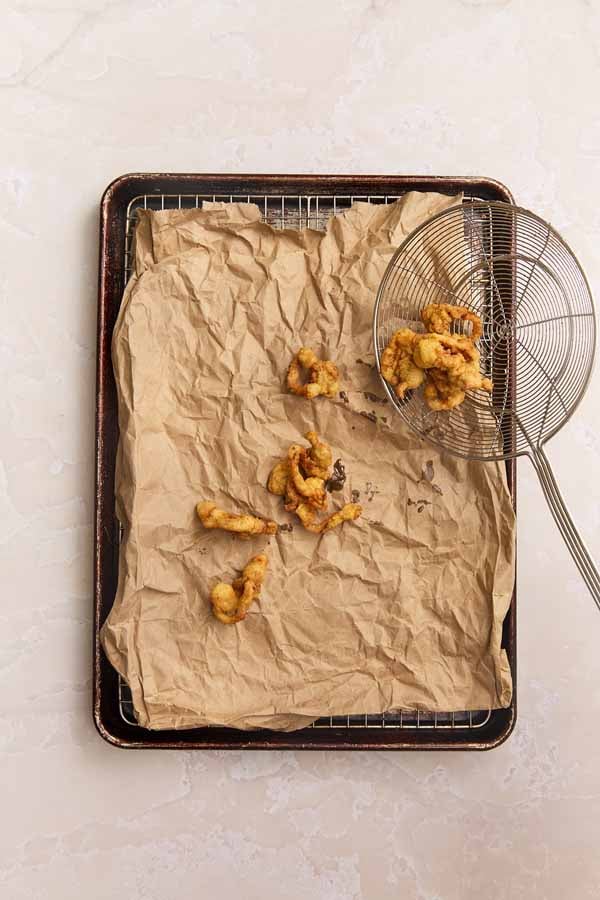
Line a baking sheet with a clean brown paper bag, and crank the oven to 250ºF (121°C).
Heat 3 inches of peanut, canola, or other vegetable oil to 375°F (190°C) in a 4- to 5-quart Dutch oven over medium heat.
☞ TESTER TIP: Use a thermometer; correct oil temperature is key!
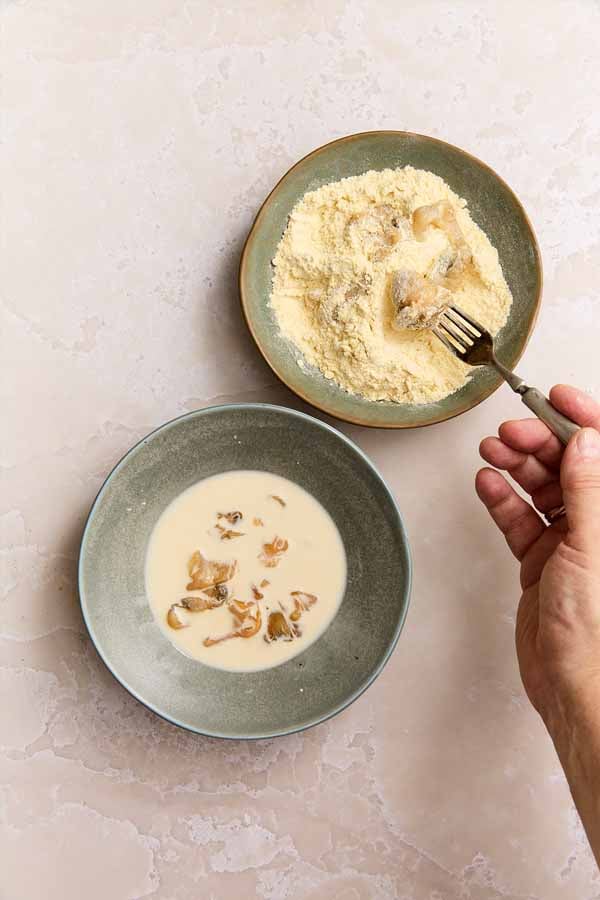
While the oil is heating, pour the 1 cup evaporated milk into a large bowl, and spoon about half the fry mix onto a plate.
Drop the 1 1/2 pounds shucked whole belly steamer clams into the evaporated milk and stir gently. Using a slotted spoon or a wire mesh skimmer, lift about half of the clams, allowing the excess milk to drip back into the bowl.
Drop the clams into the fry mix and toss them to evenly coat. Quickly dry the slotted spoon.
Fry the clams
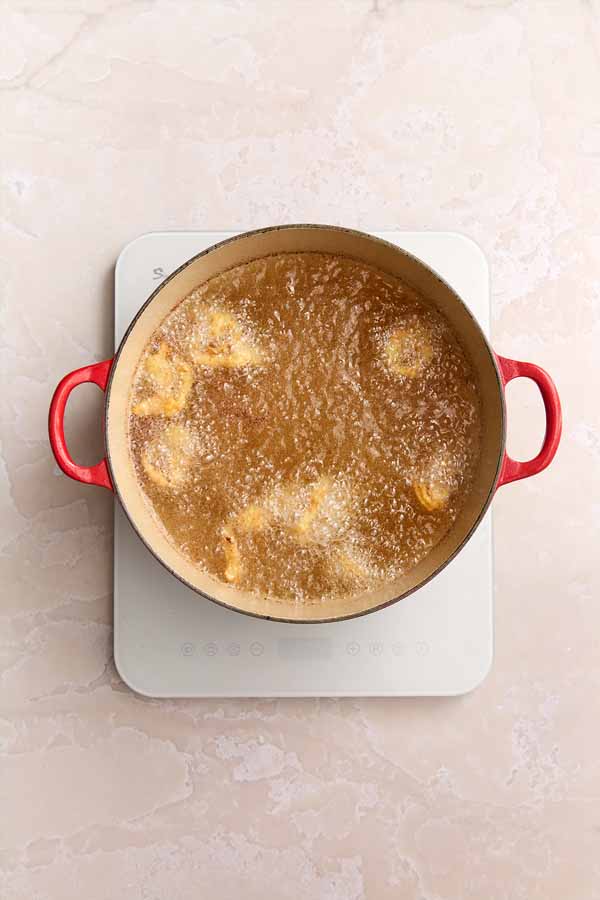
When the oil reaches temperature, lift the clams out of the fry mix with the spoon, gently shake off the excess, and carefully slip them, a few at a time, into the oil.
Let the clams fry for 15 to 20 seconds without moving them. This allows the breading to set properly and helps prevent it from falling off, ensuring a crispy, non-greasy result.
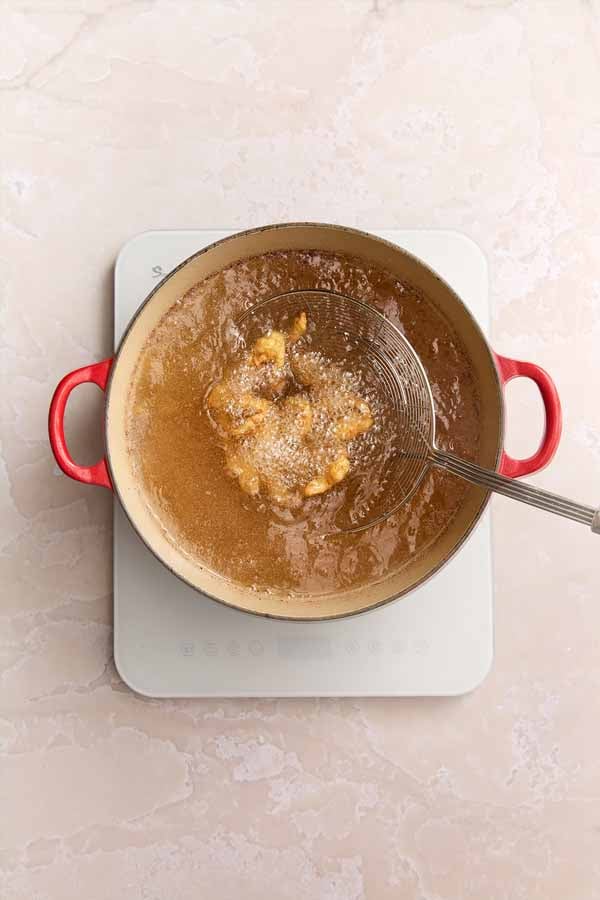
Stir the clams so that they cook evenly, 1 to 1 1/2 minutes more. This also helps to break up any clumps that might have stuck together. If any stick to the bottom of the pot, loosen them with the spoon.
☞ TESTER TIP: An old clam-shack owner told me to "listen to the clams" as they fry. They'll reportedly tell you when they’re close to done as they stop releasing as much air/water and the sizzling changes.
Transfer the clams to the paper-bag-lined baking sheet to drain. Keep the clams warm in the oven while you fry the second batch.
Serve
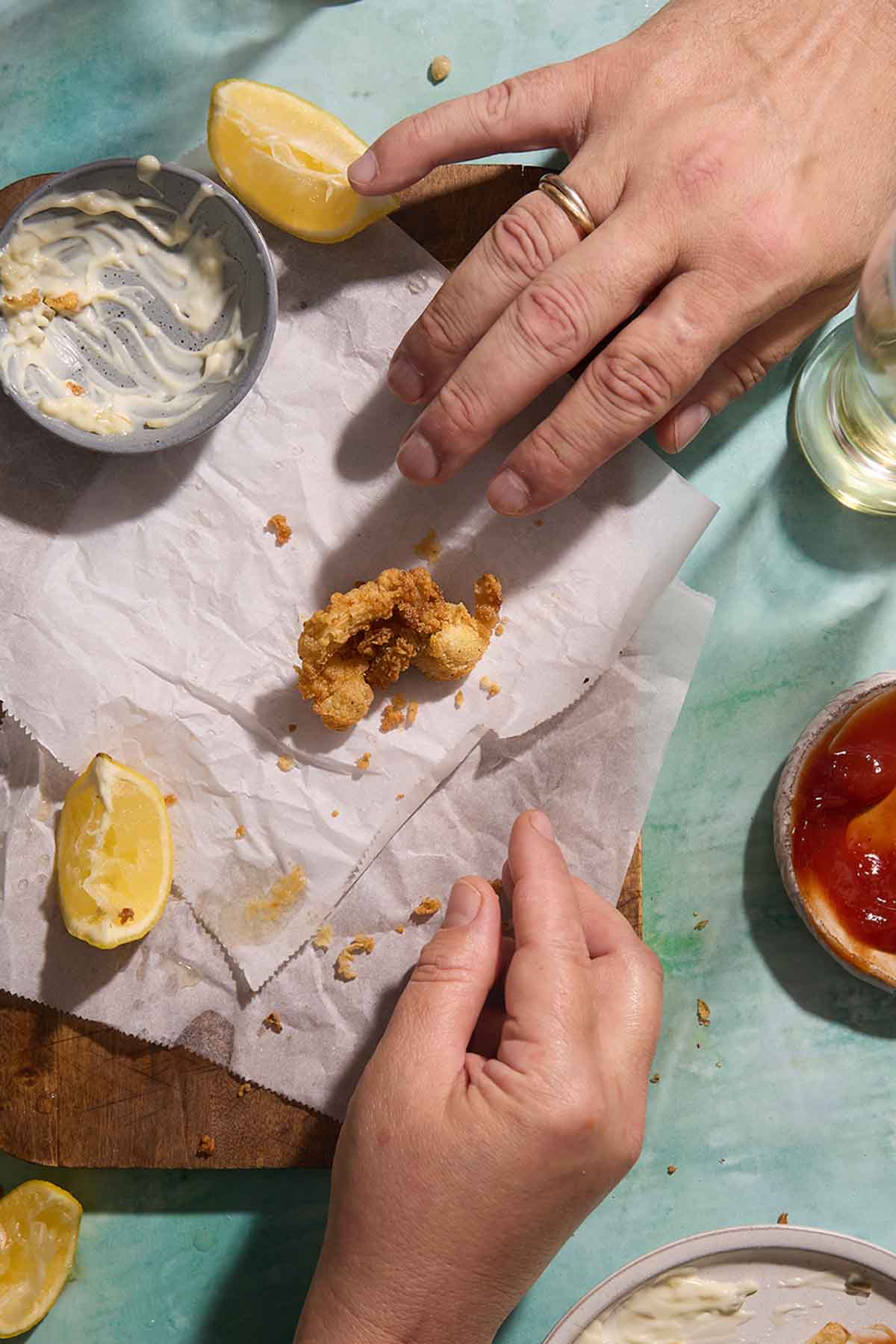
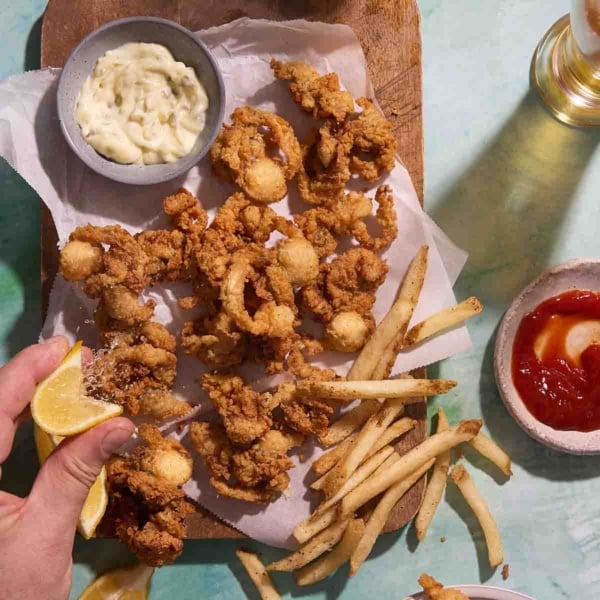
Transfer the hot, crispy fried clams to a platter. Serve immediately with lemon wedges, fresh parsley sprigs (if desired), and your tartar sauce. And yes, homemade fries are rarely out of the question!
Just made this the other night and followed this recipe. It came out delicious just like the New England shack stand. I found fresh steamer clams at the local market for 2.99/lb. Couldn’t pass up the deal. I didn’t have buttermilk but used evaporated milk instead.
Hint: To make things easier when shucking the clam and removing the membrane…Quickly steam the clams for 2 minutes. Remove and dump in an ice cold bath. You will shuck and remove the membrane like a pro.
I grew up in NH, and worked in a seafood restaurant in high school. For fried clams, we first thoroughly coated the clams in all purpose flour (this step is key), then coated the clams in a thin milk/yolk batter, and then gave the clams a coating in “supreme breader” which is the corn flour in the above recipe. Deep fry the clams until light golden brown to golden brown (I prefer a little more crunch), then serve with tartar sauce. We didn’t season with anything other than a dash of salt after frying (seasoned breading is uncommon in coastal New England; it’s more of a southern US style), as the plain corn flour breading gives the clams a rich flavor, but doesn’t overpower the clam flavor either. Buttermilk can also be used as a batter, but its the freshness of the clams that really makes the dish.














Just made this the other night and followed this recipe. It came out delicious just like the New England shack stand. I found fresh steamer clams at the local market for 2.99/lb. Couldn’t pass up the deal. I didn’t have buttermilk but used evaporated milk instead.
Hint: To make things easier when shucking the clam and removing the membrane…Quickly steam the clams for 2 minutes. Remove and dump in an ice cold bath. You will shuck and remove the membrane like a pro.
Thanks, Mr. C! Great tip! We’re delighted that these turned out as authentic as you hoped. Thanks for taking the time to let us know.
Hi, I am unable to get whole belly clams. I can get cherrystones and littlenecks. Which one is an acceptable substitution? Thanks!
Amy, cherrystones and littlenecks, won’t work, alas. They’re too different.
I grew up in NH, and worked in a seafood restaurant in high school. For fried clams, we first thoroughly coated the clams in all purpose flour (this step is key), then coated the clams in a thin milk/yolk batter, and then gave the clams a coating in “supreme breader” which is the corn flour in the above recipe. Deep fry the clams until light golden brown to golden brown (I prefer a little more crunch), then serve with tartar sauce. We didn’t season with anything other than a dash of salt after frying (seasoned breading is uncommon in coastal New England; it’s more of a southern US style), as the plain corn flour breading gives the clams a rich flavor, but doesn’t overpower the clam flavor either. Buttermilk can also be used as a batter, but its the freshness of the clams that really makes the dish.
Brendan, thanks for the insights. I love hearing how and with what different restaurants coat the clams.
Do you have to steam the clams first or just open them the way they are?
Hi Earl. You use raw clams to start, not steamed.