
TL;DR (Quick-Answer Box)
- Portugal features diverse regions, each with unique customs and culinary traditions.
- Historical influences shaped Portuguese cuisine through maritime exploration and new ingredients.
- The new Portuguese Paradox reflects the clash between traditional and contemporary cooking styles.
- The country offers an array of traditional dishes and fine wines that showcase local ingredients.
- Explore region-specific specialties, from coastal seafood to hearty mountain fare, highlighting Portugal’s rich gastronomy.
Jump To
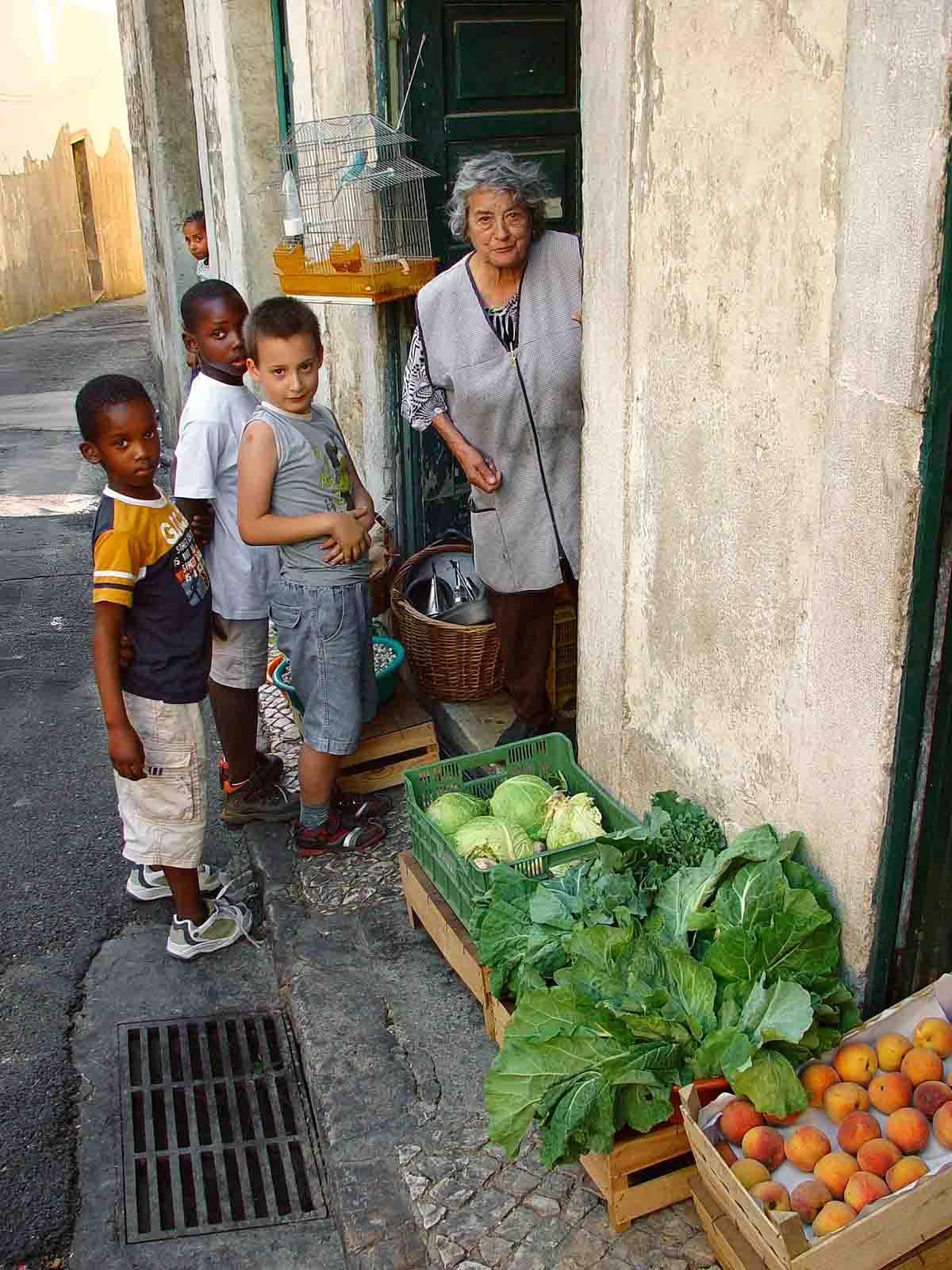
Portugal has been called a lot of things: diminutive, minuscule, a pipsqueak, even—but one thing it’s never been called is insignificant. Barely bigger than the state of Indiana, it measures a meager 347 miles from north to south, a trip travelers can pull off in a day. Yet its major historical provinces include wild extremes of temperature, weather, and terrain that for centuries have created an amazing variety of some of the finest foods on the Iberian Peninsula. Distinctive and artisanal, these foods have shaped local diets, customs, and traditions, many of which have remained virtually unchanged for generations. Anyone with good sense and a better palate would do right to reserve at least a month to make that 347-mile trek.
Despite its size, though, Portugal has contributed mightily to world cuisine. During the Age of Discovery (15th to 17th century), under the watchful eye of Henry the Navigator and then, later, the explorer Vasco da Gama, Portugal forged expeditions along the African coast and, eventually, to the East. The result? Then-exotic spices such as cinnamon, pepper, nutmeg, and cloves were brought to European kitchens and filled Portuguese coffers with unparalleled wealth. At about the same time, Pedro Álvares Cabral sailed westward, reaching Brazil and opened up routes that introduced the continent, and the world, to many New World ingredients that have become hallmarks of Portuguese cooking, including chile peppers and potatoes.
But to appreciate the contemporary Portuguese table, it’s necessary to understand the new Portuguese Paradox: Since joining the European Community in 1986, Portugal has suddenly found itself straddling two eras—nearly 100 years apart. New ingredients, techniques, and chefs have flooded into the country while the old guard marches on, oftentimes oblivious to the radical changes happening around it.
Case in point: Grab a table at the tony Henrique Sá Pessoa, a restaurant in Lisbon praised for its Portuguese-inspired fusion menu crowded. Not 10 miles away, small, dilapidated fishing boats, weighted down with the day’s catch are working the waters. Onboard are living anachronisms: men mending heaps of nets by hand, others gutting fish, while still others, with caps drawn, are catching a few moments of sleep before reaching home—as if they’ve somehow willed away the past eighty years.
Cooks are using these iconic ingredients—fish right off the boat, vegetables pick from backyard gardens, and meats deeply smoked—in innovative ways. And it’s this dichotomy that’s redefining the cuisine of Portugal. This delicious frisson is felt differently throughout the land, and although classic dishes still hold sway over much of rural Portugal, many of them are being tweaked and reinterpreted in metropolitan areas, in addition to sharing menu space with new dishes that build upon tradition to bring exciting modern cooking to the fore. There has never been a more thrilling time to eat one’s way through Portugal’s regions.
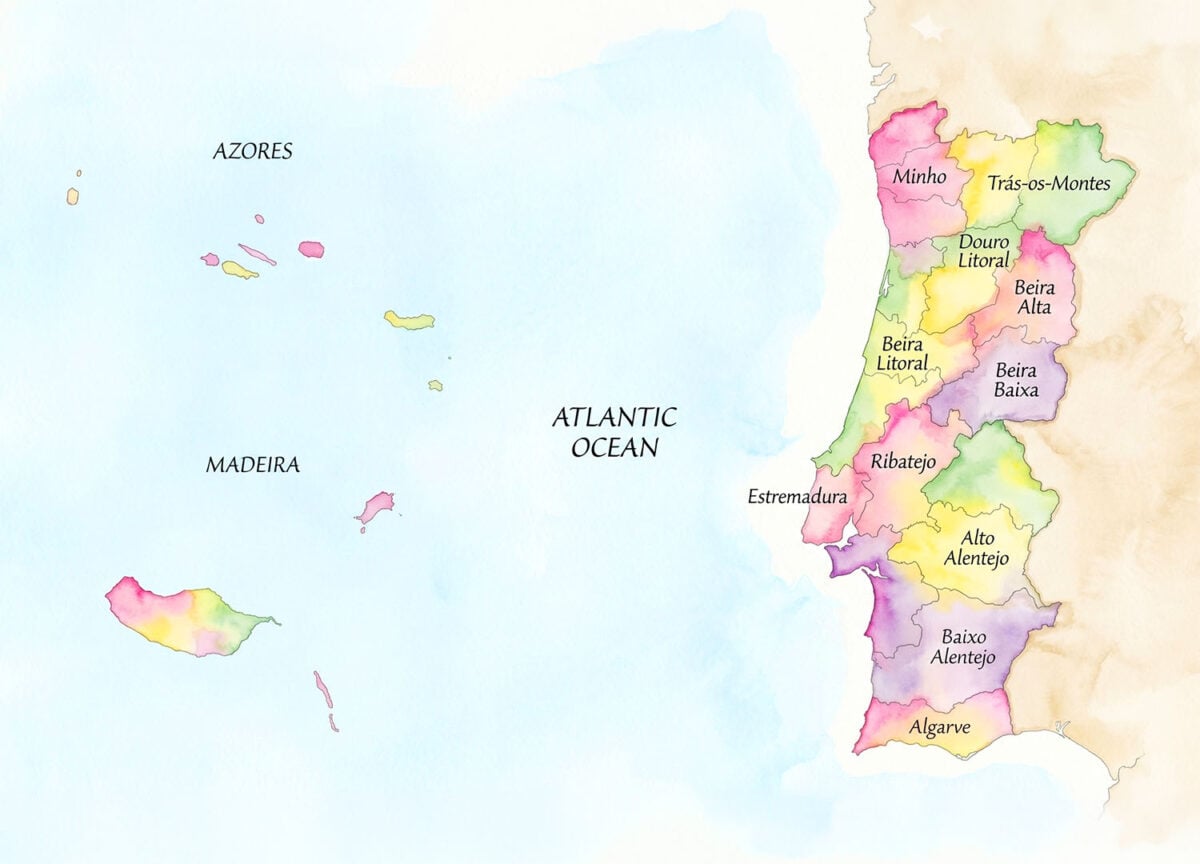
So here’s a peripatetic look at the thirteen historic provinces, from north to south, along with just some of their specialties—without which there wouldn’t be a modern Portuguese cuisine.
Atenção: Portugal’s historic provinces and wine regions don’t overlap perfectly; some of the wine regions spill over into several provinces. In order to give you concise information as you travel through the country, I’ve grouped the most important wine producers by provinces. This way you can learn about and enjoy the food and wine of each area.
A region-by-region guide of the food and wines of Portugal
Minho
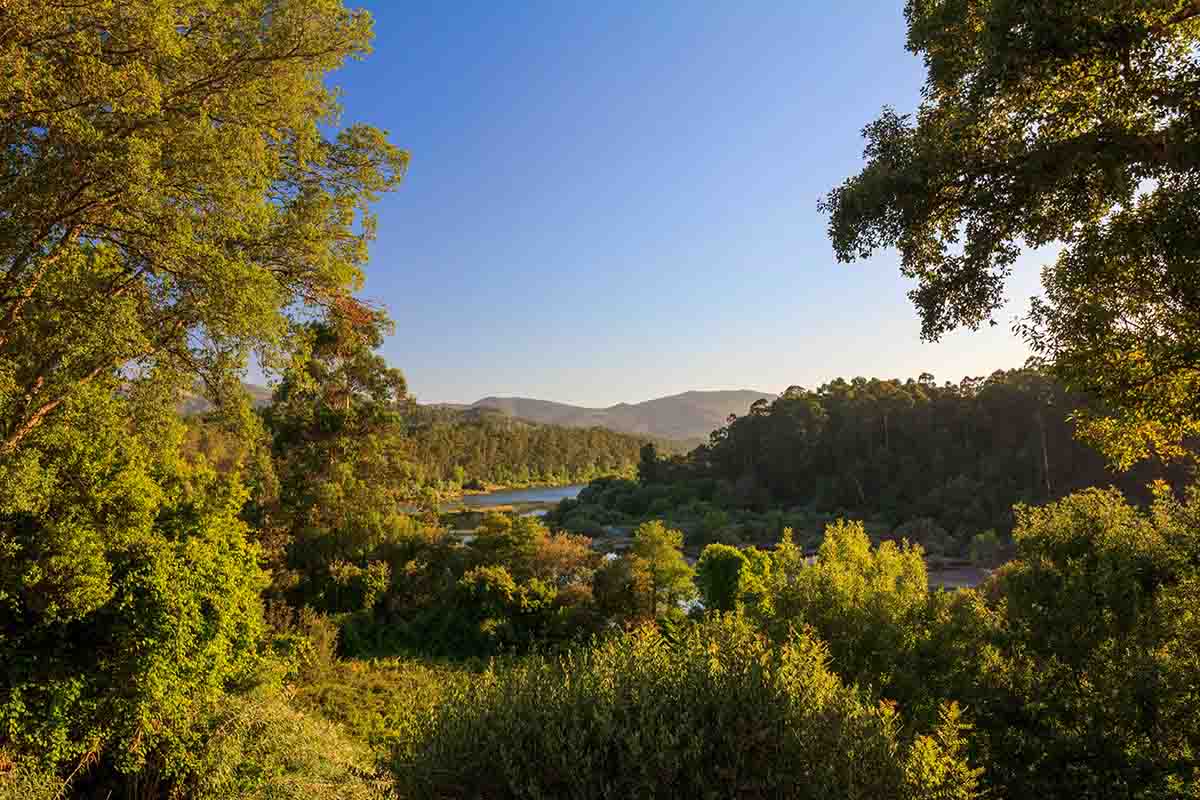
If Portugal ever had an emerald province, it’s the Minho. Tucked inconspicuously between the Minho River, which marks the northern-most border between Portugal and Spain, and the Douro River to the south, the region benefits from idyllic temperatures (55 to 75 degrees), warm Atlantic breezes, and a good amount of rain.
The result is commercial farms and home gardens bursting with vegetation, as well as a prodigious amount of vineyards that produce the famous vinho verde, or green wine.
Perhaps because of its distance from any major metropolitan center, the Minho is considered Portugal’s most traditional region. I remember pulling my car to the side of a pencil-thin road just to watch a man and his ox-drawn cart slowly claim the right of way. It’s a scene that hasn’t changed in a century. The region remains a place where men with animals still work the field, and unattended herds of cattle leisurely cross roads at will, tossing half-lidded glances at any impatient driver cheeky enough to lean on his horn. In the distance, backdrops of burnished granite mountains, a haven to many endangered animal and plant species, silently preside.
What to eat
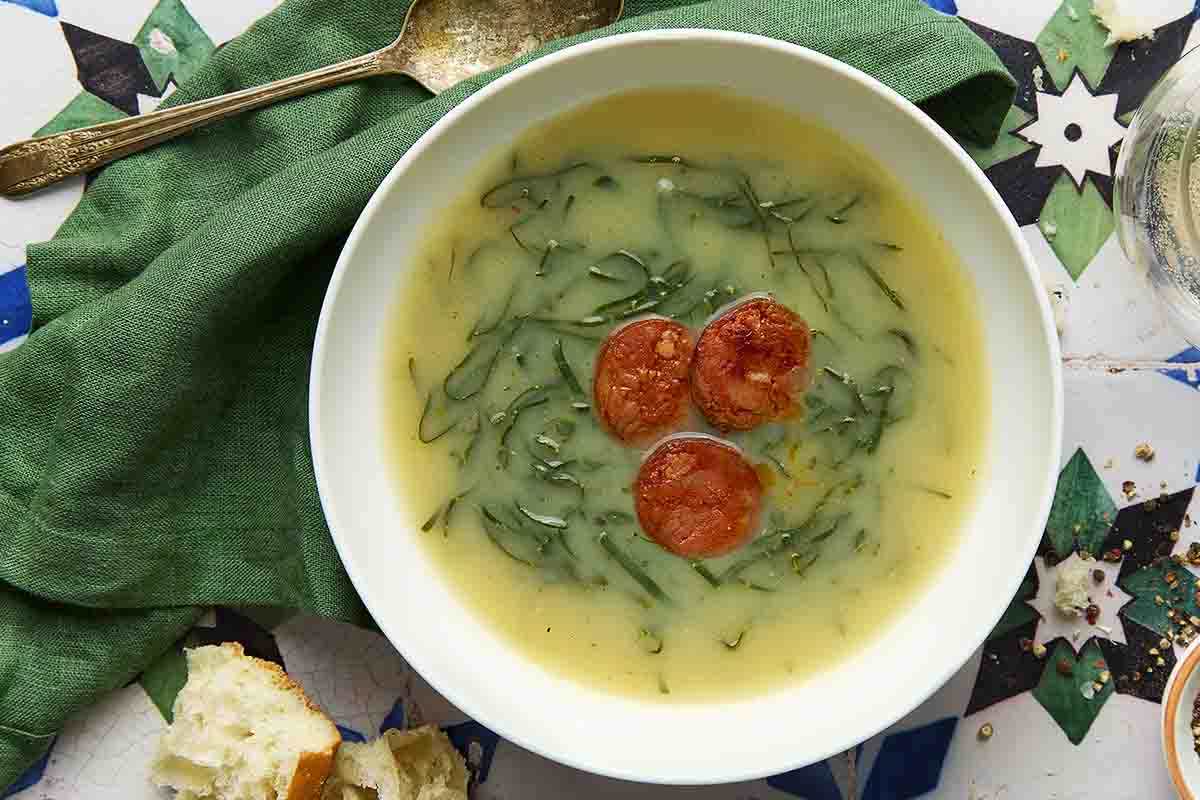
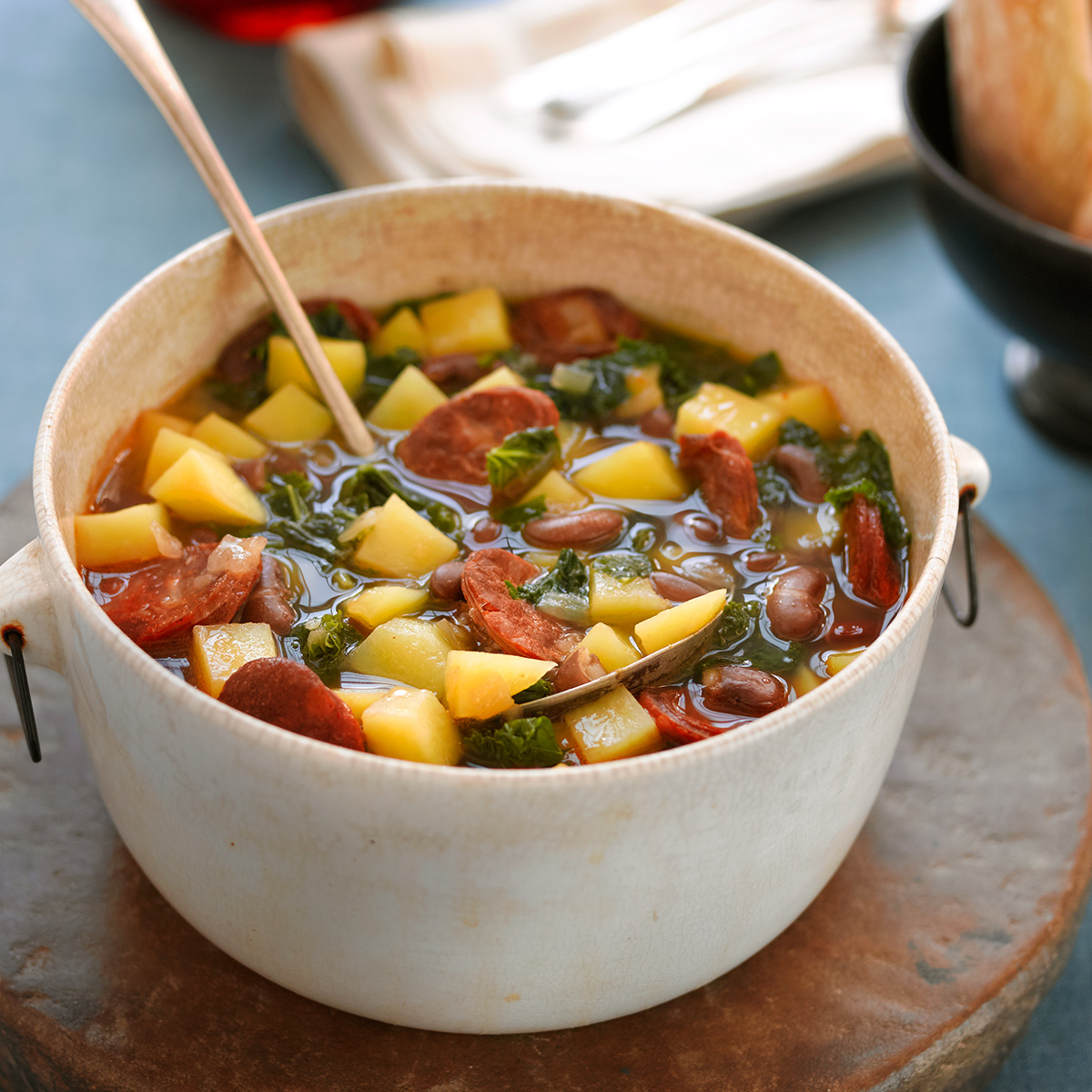
Caldo verde (puréed potato-onion soup swimming with slivers of kale and slices of sausage); rojões (cubes of pork, or pork belly, fried with cloves and cumin until thin and crisp); broa de milho (hearty cornbread); the Carnival specialty of cozido à Portuguesa (a boiled dinner of pork, chicken, beef, potatoes, blood sausage, chouriço, and cabbage); sopa dourada (in this region, at least, layers of delicate sponge cake covered with ovos moles, or thickened, sweetened egg yolks).
What to drink
Vinho Verde (or “green wine’) is the go-to drink. This slightly effervescent wine, which comes in red, rosé, and white, is meant to be drunk while still young or “green.” Producers: Adega de Monção, Anselmo Mendes, Antonio Esteves Ferreira, Casa de Vila Verde, Quinta da Aveleda, Quinta de Serrade, and Vinhos Borges.
Trás-os-Montes and Alto Douro
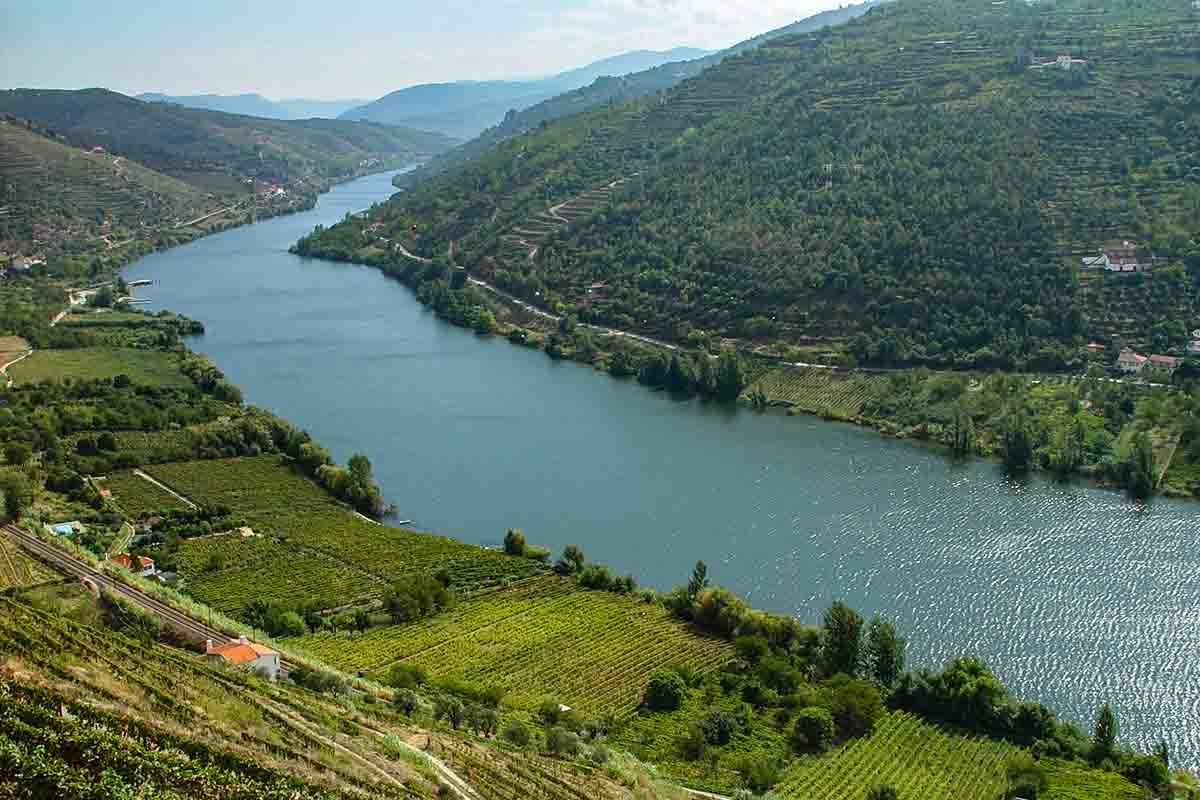
(Hidden in the northeast corner beyond the Marão, Gerês, and Alvão mountains ranges, Trás-os-Montes (“behind the mountains”) is brutally cut off from the warmer Atlantic winds that favor the neighboring Minho. In place of lush, green vegetation and undulating hills of vineyards, this desolate and punishingly untamed region is rife with moors of heather, dense forest, and scraggy brush, suitable for hardy herds of sheep, goats, and pigs. This is meat country.
The Alto Douro, in the south, near the mighty Douro River, is less forbidding as the peaks slope down to the river and are dotted with wealthy quintas or large estates. The reason? Cut into the hills, ziggurat-style, are what some say is the most expensive real estate in Portugal: hectares upon hectares of land that produce the finest grapes that go into the country’s liquid gold—port wine. So important to is this area that in 1756 it became the first delimited wine region in the world.
What to eat
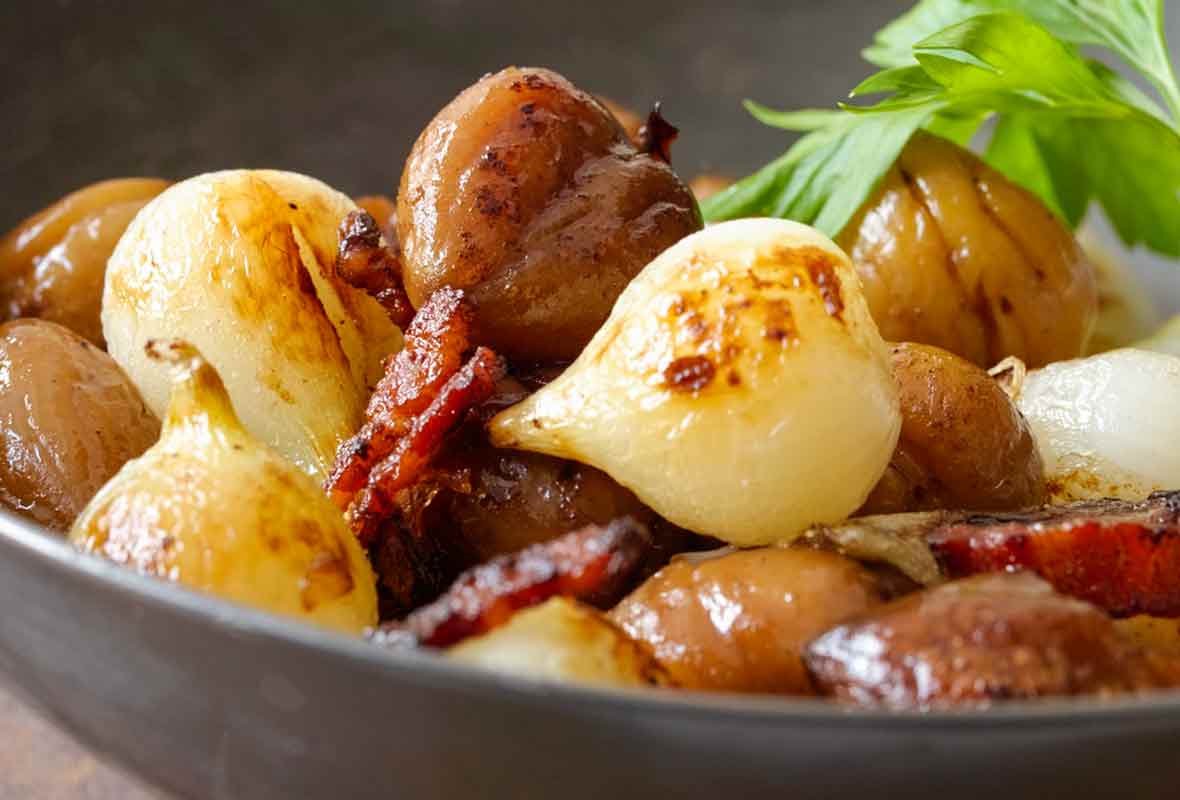
Presunto (smoked ham, especially from the towns of Chaves and Lamego); creamy Monte cheese; feijoada (stew of kidney beans plus nearly every part of the fattened, chestnut-sweetened pig); castanhas piladas (chestnut soup); and, arguably, the most confusing dessert: toucinho do céu (aka “bacon from heaven.” This sweet has nary a pork product in it, although some claim it had originally. This dense flan is rich with—what else?—egg yolks along with pumpkin and ground almonds.)
What to drink
Wines from CARM, Casa Ferreirinha, Lemos & Van Zeller, Niepoort, Quinta da Carolina, Quinta do Crasto, Quinta do Noval, Quinta do Sobreiro de Cima, Quinta do Vale Dona Maria, Quinta do Vale Meão, Quinta do Vallado, and the throat-scorching grape spirit, aguardente, used to fortify port.
Douro Litoral
The heart of the Douro Litoral is Portugal’s second-largest city, Porto. As the name implies, everything—from the colorful boats that bob in the Douro River outside the port lodges in Vila Nova de Gaia, to the economy, to the food served hungry vineyard workers and elegant tourists—is fueled by port wine and the busy harbor from where the wine is shipped.
Although the weather is favorable to many crops in this province, if it weren’t for the ingenuity and backbreaking work of generations of Portuguese, little would grow. The schist slopes of the inland valley, as in the Alto Douro, are so steep and impassable that everything from small, whitewashed cottages and their tiny gardens to immense vineyards that also produce grapes for port are carved into the mountains.
Still, trees bowed heavy with peaches, plums, quince, apples, almonds, pears, and figs—the stuff that preserve dreams are made of—manage to flourish.
What to eat
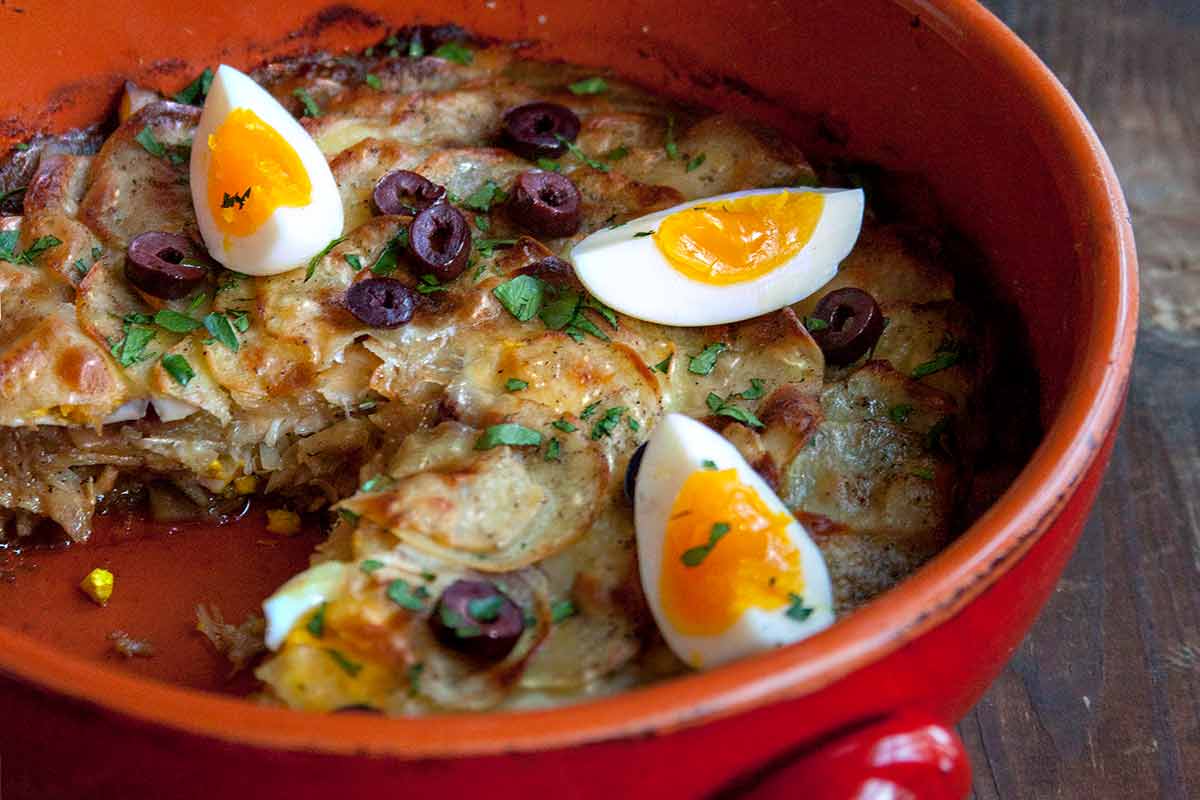
Tripas à moda do Porto (slow-cooked casserole of tripe, pigs’ feet, chicken, sausages, navy beans, Douro vegetables, and a good dose of cumin); bacalhau à Gomes de Sá (casserole of fried potatoes, sautéed onions, and salt cod garnished with slices of hard-boiled eggs and black olives); pastéis de bacalhau (salt cod fritters); bolo de amêndoa (almond cake made from flour, sugar, eggs, blanched almonds, and, oddly, mashed potatoes).
What to drink
Port, of course, is the favored drink. Some producers: A.A. Ferreira, Calem e Filho, Croft, Delaforce, Fonseca, Graham, Niepoort, Quinta do Noval, Ramos Pinto, Talyor-Fladgate, Sandeman, and Warre.
Port Primer
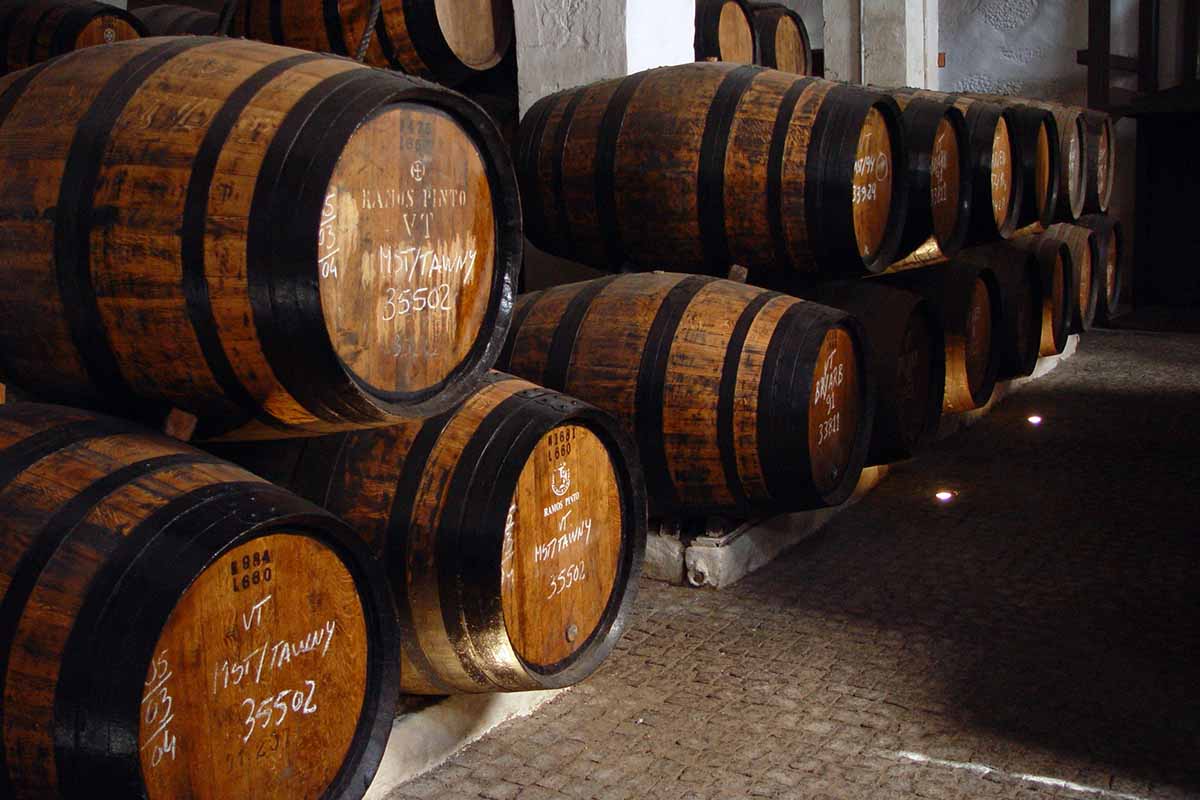
Legends abound regarding the creation of port wine—from mercenary Liverpudlian merchants trying to find a replacement for the lack of fine wine in Britain due to a French embargo to acts of god. But the fortified wine, which is the dictionary definition of a postprandial drink, was the product of good business and better weather. In 1820, a particularly good season made for a superb wine, one that Britain, one of the biggest markets for port, couldn’t resist. To mimic the sweeter, higher alcohol content of that blessed year, producers added more brandy to the wine earlier in the fermentation process, which resulting in a sweeter wine, rounder, and deeper wine.
I spent a week at the different Port lodges along the river as well as in their estates in the upper Douro, sampling, tasting, and taking notes:
Vintage Port: The finest and rarest of all ports, bar none. They makes up a mere 2 to 3 percent of all port production. The wines are made in only extraordinary years, hence the term “vintage,” when the growing season had all the exceptional conditions for making an exquisite and lasting wine. When that happens, grapes from only that year and from only the finest vineyards can be used by producers to make the port. The wines are aged in barrels for two years and then bottled-aged for up to several decades in some cases, giving the port depth, richness, and character. They’re never filtered, so they need decanting.
Late-Bottled Vintage Port (LBV): A bit misleading, LBVs aren’t as tony as they sound, for they don’t have the same complexity as vintage ports. Made from grapes from a single vintage, LBVs are produced in a non-declared year. These delicious, plummy-tasting wines are barrel-aged for four to six years and then are ready to be drunk.
Tawny Port: Hands down the word’s favorite port. Blending finely aged, superb ports from different years is what lends tawny port its nutty flavor with overtones of vanilla, butterscotch, and caramel. And the name? Because of long aging, the wine’s color lightens from a deep red to an orange-brown. Tawny ports are designated on the bottle as 10, 20, 30, and more than 40 years old. Colheita is the Portuguese term for an extraordinary, rare tawny port made from a single vintage.
Ruby Port: This is a good entry-level port. It’s a blend of good but not stellar ports from different years that are barrel- or tank-aged for no more than three years and received little bottle aging. Therefore it has a straightforward character with spicy, red-fruit flavors.
White Port: These wines, made from white grapes, are aged briefly in wood and have a mild nutty, slightly sweet taste. Served chilled with a twist of lemon or a splash of soda, they make an excellent aperitif.
Beira Litoral, Beira Baixa, and Beira Alta
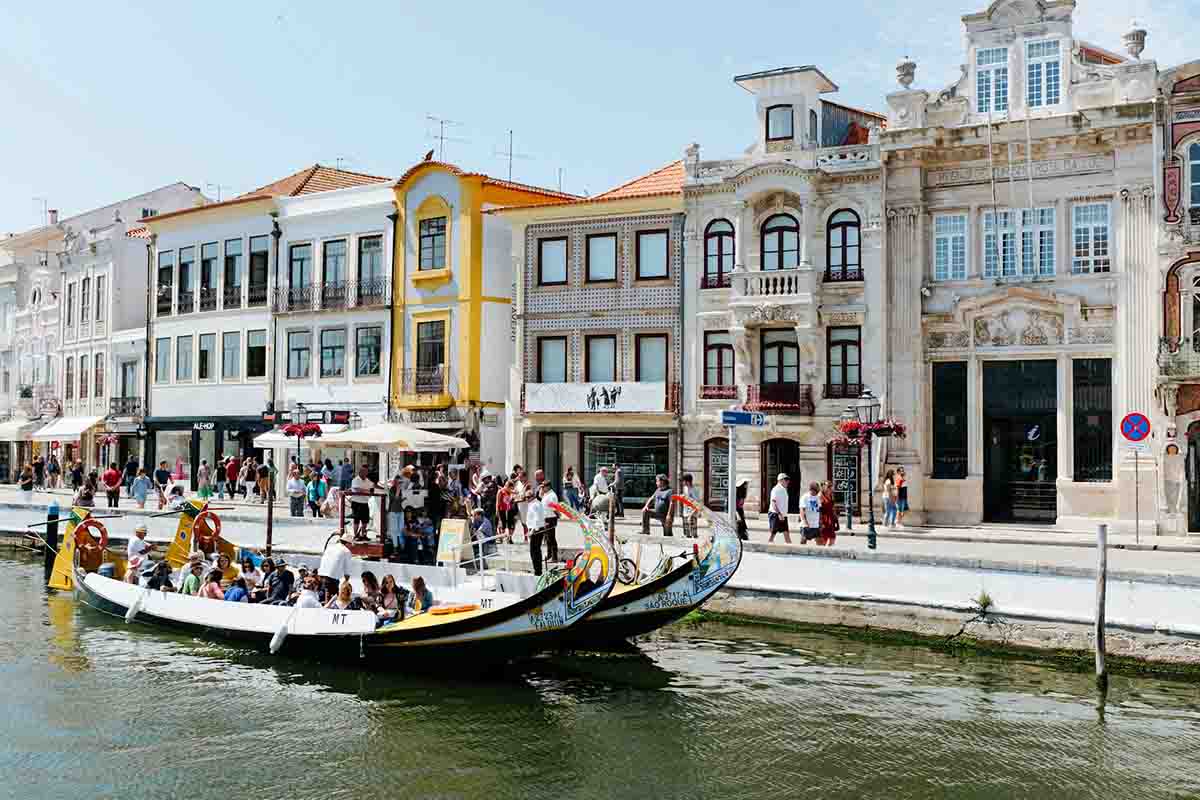
Beira Litoral, Beira Baixa, and Beira Alta—collectively known as the Beiras—cut a huge swath through central Portugal. Second in size only to the vast Alentejo, the Beiras span from the mountains abutting Spain in the east to the Atlantic in the west. The provinces got their respective names because, as you travel east, the region rises precipitously like the giant half of a bell curve, from balmy sea (litoral equals “coast”) to squat hills (baixa means “low”) to soaring, thickly forested mountains (alta translates as “high”). Aveiro, called the Venice of Portugal due to its canals, is one of my favorite spots in country.
But more importantly, the provinces act as a curtain between the lush green regions to the north and the summer-parched provinces to the south. And because of their sheer size, they offer perhaps the wildest change in topography—including Serra da Estrela, the highest point on the mainland, topping out at 6,539 feet—the greatest difference in culture, and the widest variety of foods.
What to eat
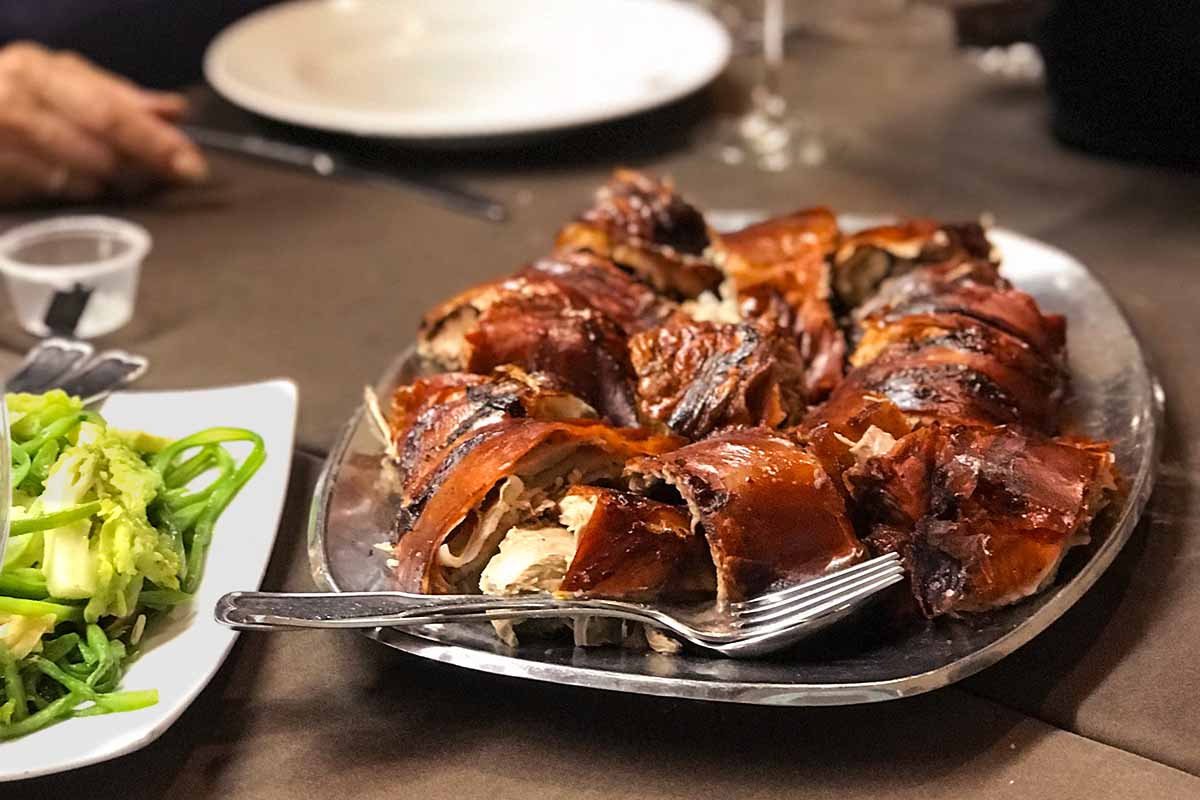
Cheese, including Queijo da Serra (unctuous runny sheep’s cheese), Requeijão (soft and ricotta-like) Castelo Branco, (similar to Serra), and the peppery Rabaçal; cabrito assado (roast kid rubbed with plenty of garlic then doused in rich brandy); chanfana de cabrito (red-wine-based kid stew); leitão (roast suckling pig); torresmos (here, pork cracklings).
What to drink
Wines from Adega Cooperativa de Cantanhede, Adega Cooperativa de Mealhada, Àlvaro Castro, Campolargo, Casa de Santar, Caves Aliança, Caves São João, Companhia das Quintas, Filipa Pato, Luís Pato, Quinta de Cabriz, Quinta do Encontro, Quinta dos Carvalhais, and Quinta dos Roques.
Estremadura
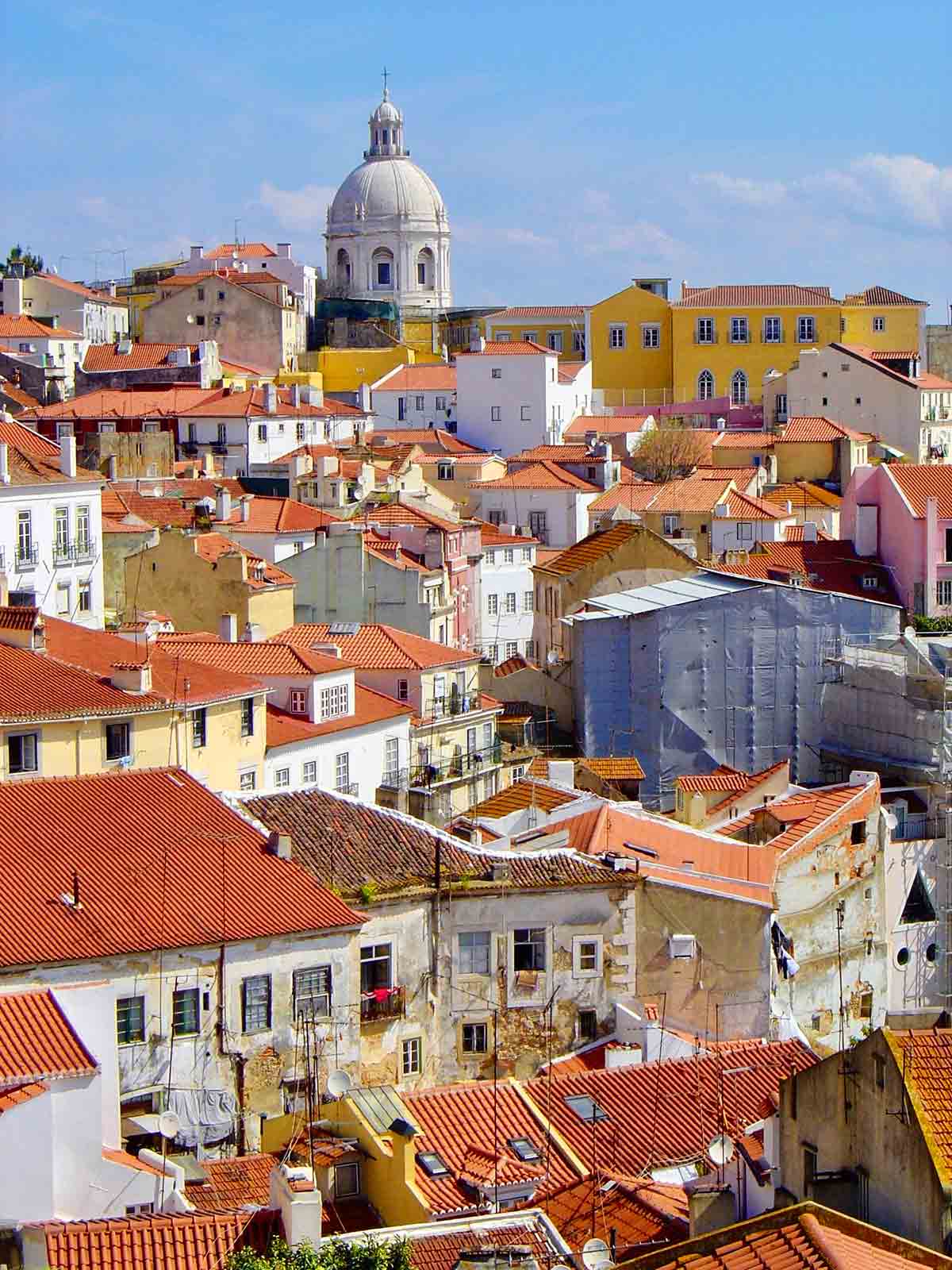
Literally translated as “boundary,” Estremadura was the one-time extreme southern border of Christendom. The rest of the country was under the hands of the Moors, from the eighth to the eleventh centuries. Even with their centuries-long occupation, the Moors did little to bow this long and sinuous coastal province. Etched by sandy beaches to the west and rugged cliffs to the south, all bisected by the languid Tejo River, on which Lisbon sits, Estremadura could just as easily translate as “seafood.” It has a rich history of classic fish dishes and specialties that have fed the bodies and spirit of the Portuguese even before having to defend themselves against the Moors.
What to eat
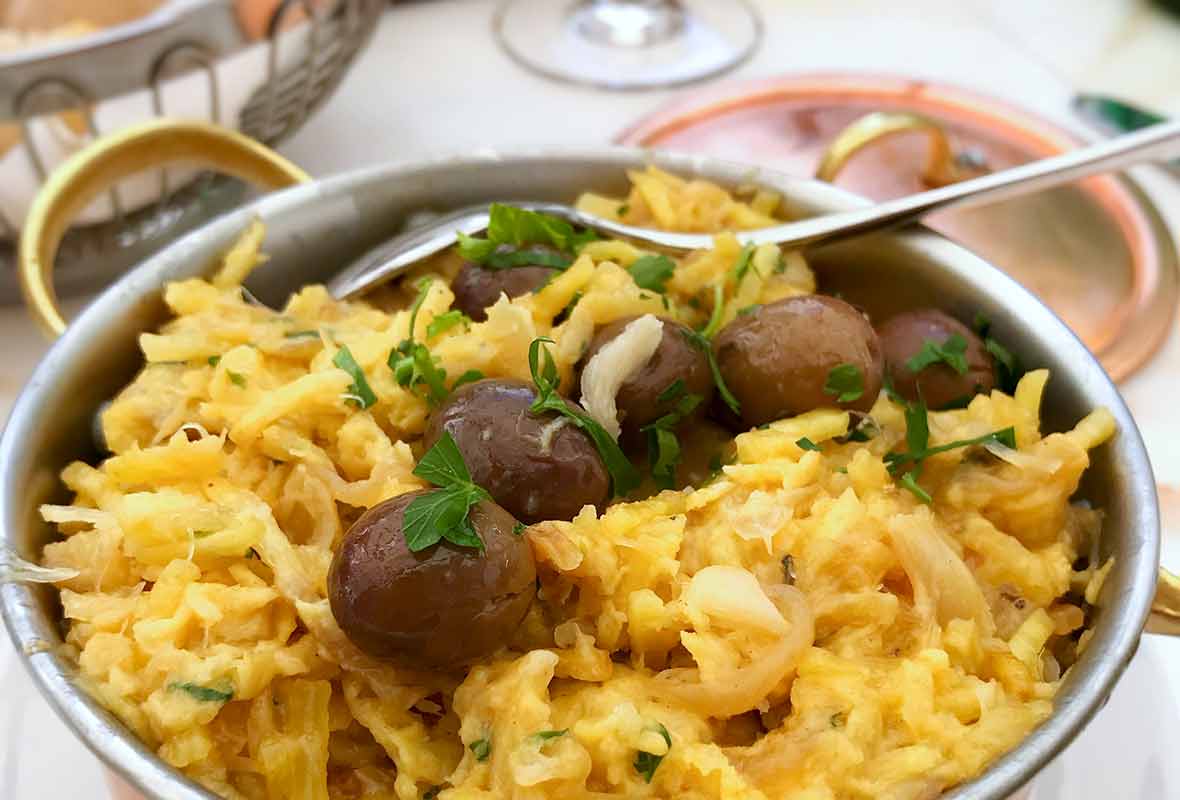
Sopa de mariscos and caldeirada de peixe (shellfish stew and fish stew, respectively); bacalhau à Brás (clouds of softly scrambled eggs encasing bits of salt cod and crispy matchstick potatoes); açorda de marisco, (hearty seafood bread soup studded with plenty of shrimp, clams, scallops, and, sometimes, lobster); frango com piri-piri (grilled chicken doused with Portugal’s incendiary hot sauce); pastéis de Belém (luscious custard in crisp pastry cups served warm with a generous sprinkling of confectioners’ sugar and cinnamon); Queijo de Azeitão (semi-soft cheese with buttery overtones and a slight bite).
What to drink
Wines from Casa Santos Lima, Caves Velhas, Companhia Agricola do Sanguinhal, DFJ Vinhos, José Maria da Fonseca, Quinta de Chocapalha, Quinta da Cortezia, Quinta de Pancas, and Quinta da Romeira.
Ribatejo
Lying squarely in the middle of the country, northeast of Lisbon, is the flat, fertile province of the Ribatejo. Its name is a conflation of Riba de Tejo or “banks of the Tejo,” and it spreads out north and south of the river. The Tejo cleaves not only the region, but its topography and agriculture. To the north are low hills that are intensely cultivated with huge swathes of olives groves. The oil produced is so extraordinary, it qualifies for Denominação de Origem Protegida (DOP) demarcation, assuring an undeniable link between the region and the quality of the olives.
The northern region also boasts vast vegetables farms of beans, corn, tomatoes, and green peppers plus fruit orchards of apples and lemons. To the south, the land opens up to wide fields of bluegrass and lezírias, or marshes, where Arabian horses and black bulls graze freely.
Farther south grow long rows of irregularly spaced olive and cork trees, looking at first glance like combs with missing teeth. In the spring, the river overflows its banks, creating an alluvial plain, where rice—a staple of the Portuguese diet—is tended.
What to eat
Sopa de pedra (“stone soup” filled with pork ribs, sausage, beans, root vegetables, and cabbage); enguias (eels—stewed, fried, and grilled), açorda de sável (here, a bread soup made with shad roe); ovas de sável à pescador (grilled shad roe); arroz de tomate (tomato rice); lebrada (hare stewed in red wine); pato guisado à Ribatejana (duck stewed in an unusual blend of red wine, Madeira, carrots, bananas, and tangerine sections); Pão-de-ló (here, a sponge cake with an ethereally light texture moistened with flavored syrups).
What to drink
Wines from Casa Cadaval, Falua Sociedade de Vinhos S.A., João Portugal Ramos, Quinta da Casal Branco, Quinta do Falcão, Quinta da Lagoalva, and Sociedade Agrícola Pinhal da Torre.
Alto Alentejo and Baixo Alentejo
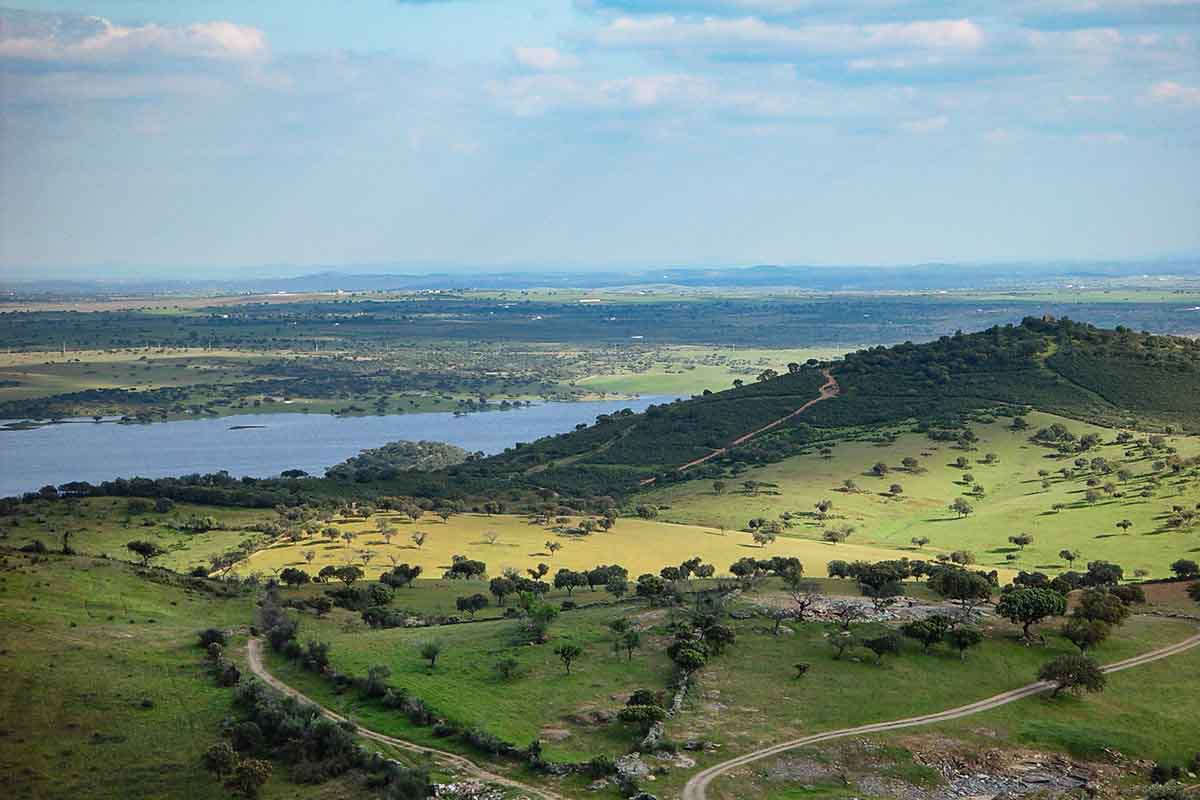
This immense region regally commands almost a third of the country, and its undulating hills are dotted with gorgeous whitewashed villages that have for centuries attracted admirers from around the world.
The province is a continuum of color because of its agriculture. In spring, I saw wide plains caught up in blizzards of fragrant almond blossoms and drove down long roads that connect the great halves of the region—alto (upper) and baixo (lower)—all lined with brilliant yellow broom. On either side, vast fields of wheat, rye, oats, and barley stretch to the horizon, for this is the center of Portugal’s grain industry. Here, too, are endless groves of luscious, sweet oranges, greengage plums, and apricots.
I try to avoid the Alentejo in the summer, if I can. The sun, which can furnace-blast the region with temperatures well over 110 degrees at midday for weeks on end, mutes colors. It’s then that the silvery-green olive trees and the much darker cork oaks (which produce two-thirds of the world’s supply) stand out in stark contrast to the now straw-colored fields. Into these groves farmers let loose their famous porco preto, or black boars, encouraging them to gorge on the trees’ fallen acorns to fatten them up before the winter matança, or slaughter.
What to eat
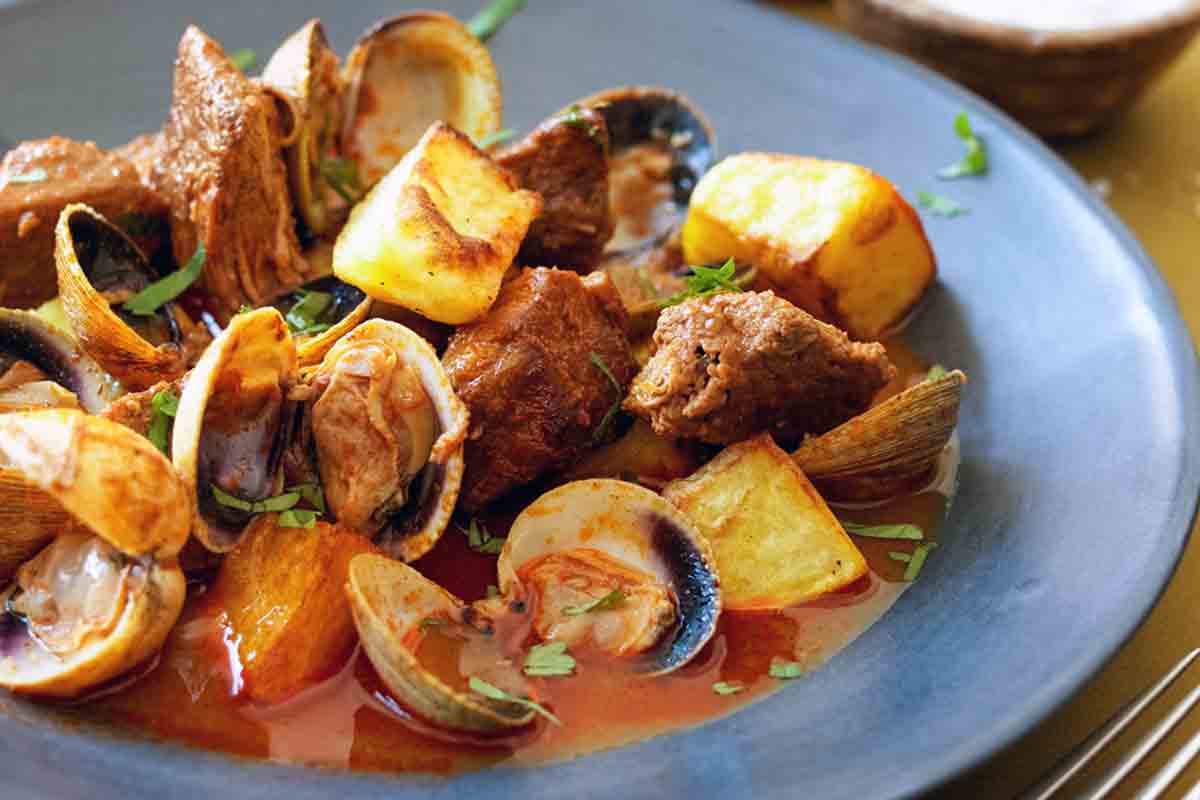
Gaspacho (cold soup of chopped sweet red or green peppers, garlic, cucumbers, and dense bread softened with a tomato-vinegar broth); açorda Alentejana (intensely flavored garlic-and-cilantro broth poured over day-old bread with a fresh egg cracked on top); empadas de galinha (savory chicken pies); carne de porco à Alentejana (pork cubes and clams served over fried potatoes); migas (“bread crumbs,” moistened day-old bread suffused with pork drippings or spinach, for example, molded into an oval shape, and pan fried).
What to drink
Wines from Adega Cooperativa de Borba, Caves Aliança, Cortes de Cima, Eugénio de Almeida, Francisco Nunes Garcia, Herdade da Calada, Herdade da Malhadinha Nova, Herdade do Esporão, João Portugal Ramos, Margarida Cabaço, Monte do Trevo, Paulo Laureano, Quinta Dona Maria (Júlio Bastos), Quinta do Carmo, Quinta do Mouro, and Tapada de Coelheiros.
Algarve
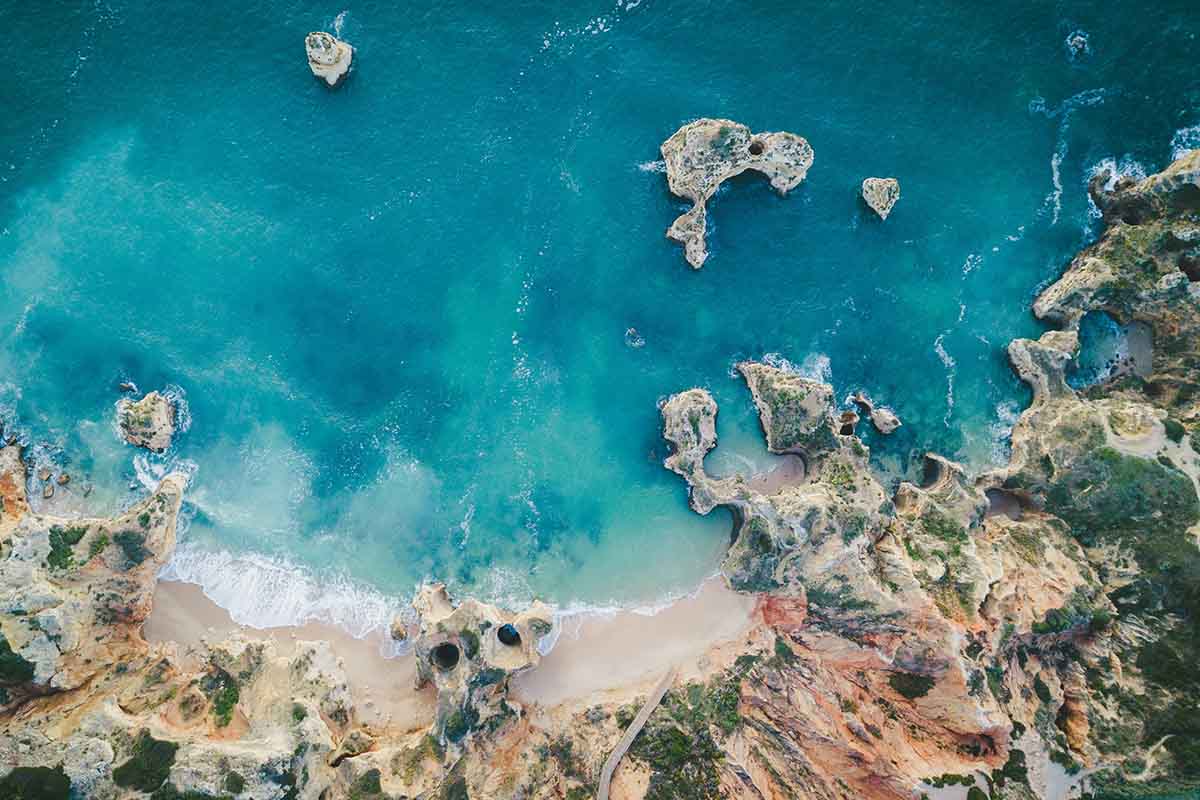
Nearly 100 miles of white-sand beaches, secret caves, and year-round mild weather are what draws tourists to the Algarve. Most crowd along the shoreline in the resort towns of Faro, Lagos, and Albufeira, all with their world-class golf courses, and world class (read: international) food. But world-class natural beauty refuses to be elbowed out of the way: Not far from Faro is the Parque Natural da Ria Formosa lagoon, a barrier-islands system that’s a beloved national park. And Praia da Marinha, with its ocean-carved cliffs and hidden grottos filled with azure water, has been named one of the 100 most beautiful and best-preserved beaches in the world.
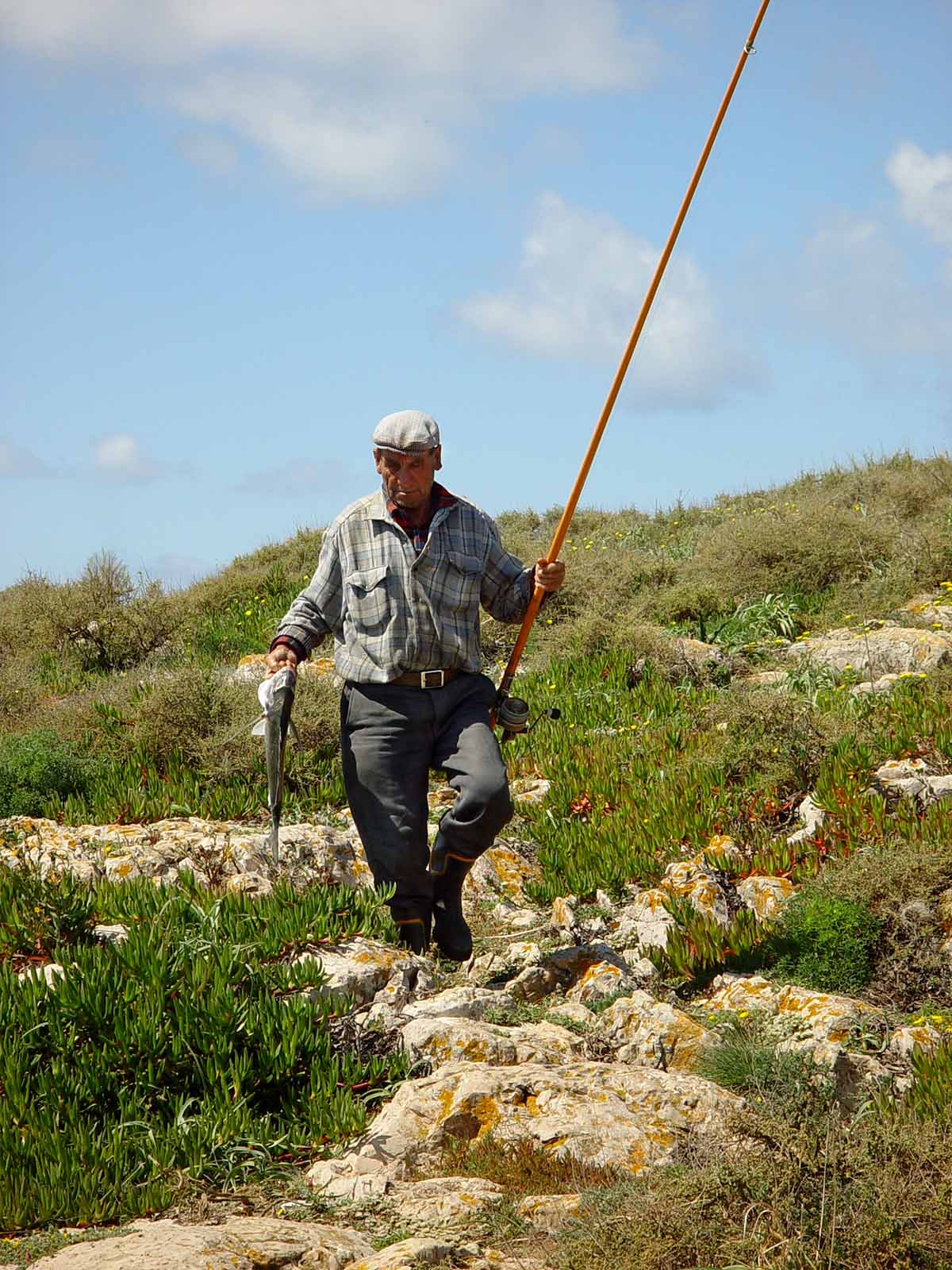
In the still-pristine and underdeveloped western areas, where I photographed this fisherman bringing home lunch for his wife and himself, as well as in the lagoons east of Faro, it’s easy to find restaurants that staunchly refuse to cave to the whims of the estrangeiros, or foreigners. What, then, are the culinary muses of these establishments? Local crops of rice, almonds, oranges, lemons, figs, and, of course, any creature from the sea.
What to eat

Sardinhas assadas (grilled sardines); polvo (octopus); lulas recheadas (squid stuffed with cured meats and cooked in a tomato-onion sauce); búzios com feijão (clam, oyster, snail, and bean stew); amêijoas na cataplana (clams and spicy sausage in the eponymous cataplana—a hinged, clam-shaped pan, a kind of spiritual ancestor of the pressure cooker); caldeirada (a stew brimming with local fish, including fresh tuna, sardines, and scorpion fish as well as potatoes, onions, and garlic); figos cheios (dried figs stuffed with almonds).
Madeira and the Azores

An entire book could be written about these jaw-droppingly beautiful volcanic islands, strewn across the Atlantic like a handful of green marbles. Madeira, discovered circa 1424, has a subtropical climate, so on the south side, which is favored by warm breezes, everything from bananas and orchids to mangos and sugar cane grow. Travel north, into the staggering peaks covered in dense forests (madeira means “wood”), and the lush, volcanic landscape is cut by waterfalls hundreds of feet high. Like the Algarve, the island is a hotbed for tourists, but most stay in and around the capital city of Funchal, named for funcho, or fennel, a prolific crop that greeted early settlers.
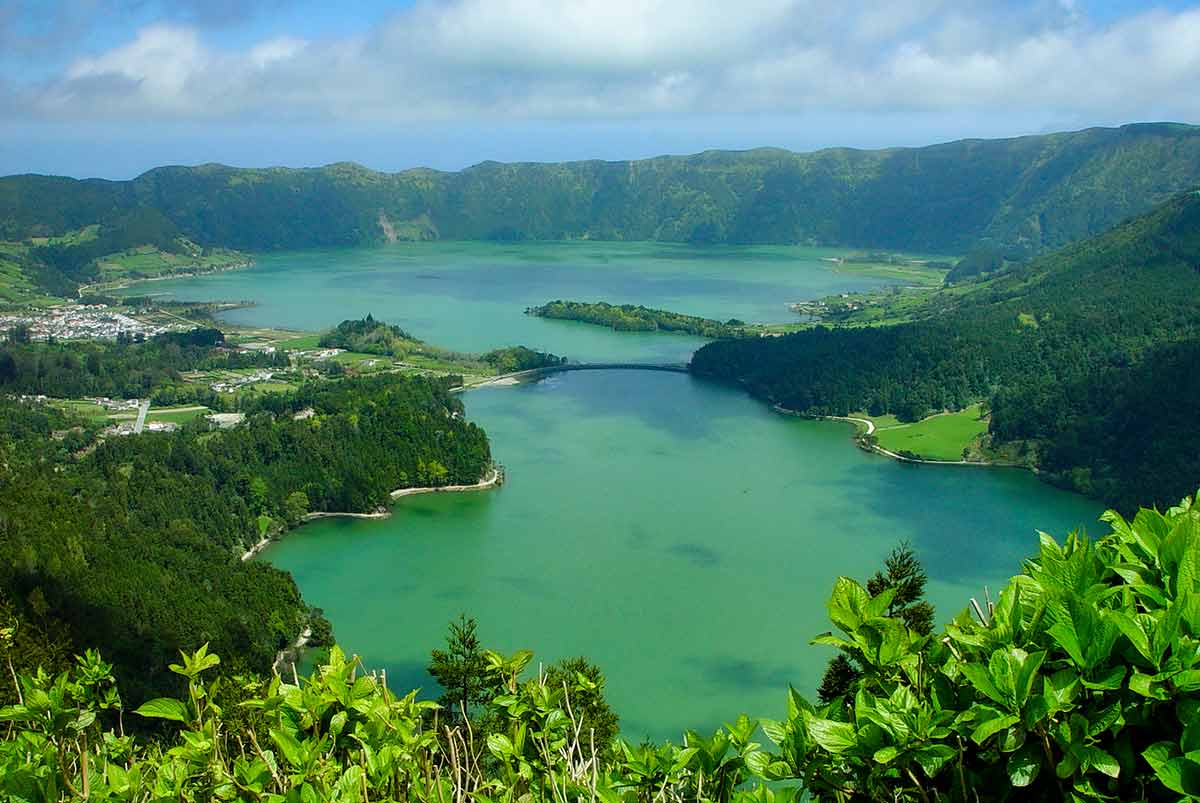
The subtropical Azorean islands—Santa Maria, São Miguel, (where my family’s from) Terceira, São Jorge, Pico, Graciosa, Faial, Flores, and Corvo—are happily stranded between the United States and Europe. Life here is simpler, more rustic. I always remember my father saying it wasn’t until the ’60s that some towns were hooked up for electricity, gas, and telephone. But that’s changing alarmingly fast. Cell phones and wireless cafés are everywhere, much to the confusion and consternation of the older generations.
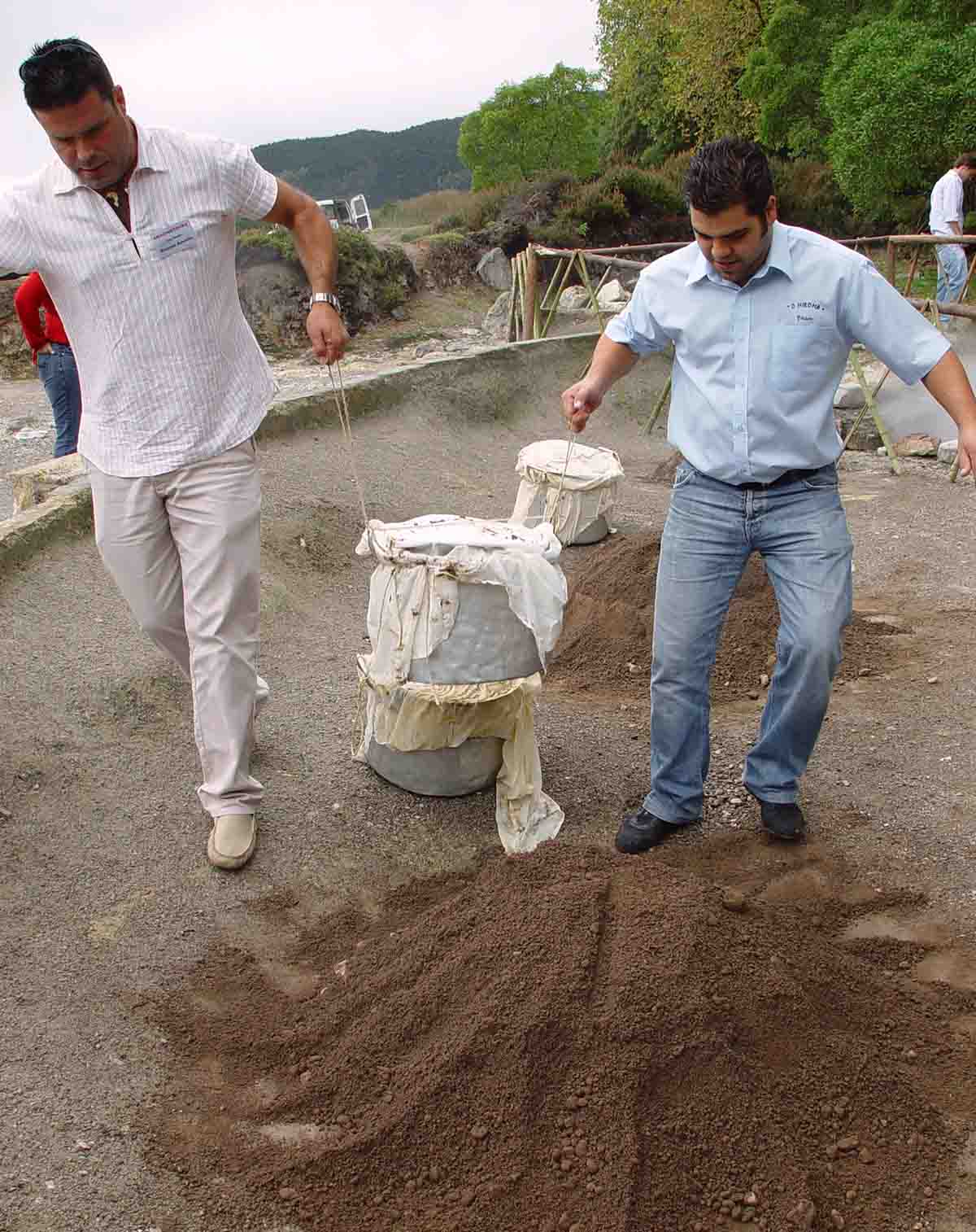
Because the islands are the peaks of volcanoes, the land is impossibly verdant, with soaring summits, huge dormant craters-turned-lagoons ringed with hydrangeas, and valleys perfect for grazing. Here, the prized beast of burden is the cow. The Azores, especial São Jorge, is famous for its cheese. Micro-climates abound here, and some of the world’s finest pineapples are from a small area on the south side of São Miguel, while Europe’s only tea plantation takes up residence on the northern shore. Nearby, in the town of Furnas, bubbly, sulfurous fissures act as ovens, where locals lower pots filled with all types of meats, sausages, and vegetables to cook a dish called cozido.
What to eat
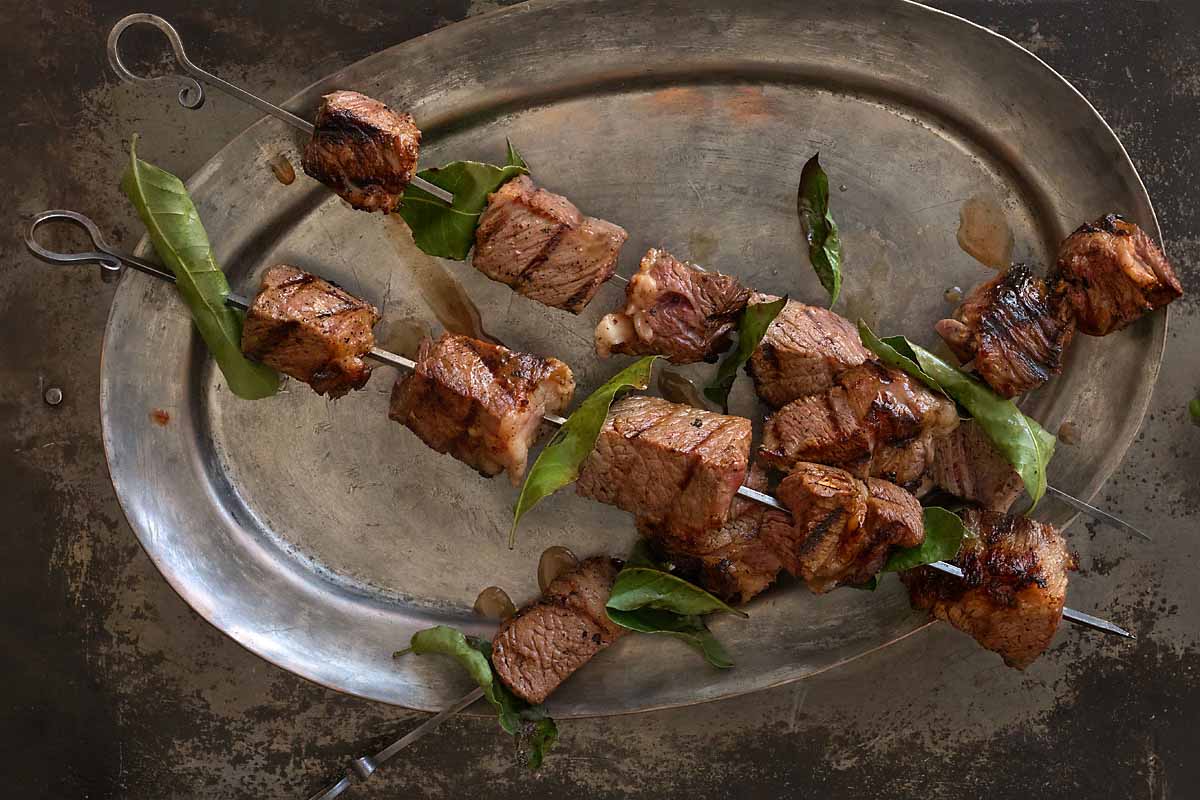
In Madeira, cebolinhas de escabeche (pickled onions); milho frito (fried cornmeal squares); espada (scabbard fish); carne de vinha d’alhos (pork cubes in a wine and garlic sauce served over slices of bread and ringed with oranges); espetada (beef chunks threaded on bay leaf branches and grilled over an open flame); bolo de caco (flat bread rounds made with sweet potato); bolo de mel (molasses cake).

In the Azores, favas ricas (a stew of fava beans seasoned with a bit of cinnamon); lapas grelhadas (grilled limpets in a butter-lemon sauce); sopa do Espírito Santo (a soup rife with beef, cabbage, sausages, bacon, wine, paprika, and spices served on the Feast of the Holy Ghost); sopa de funcho (fennel soup); Alcatra (beef rump braised with wine, onions, allspice, bay leaf, and cinnamon); cozido (see above); massa sovada (a slightly sweet, eggy bread); bolos lêvedos (flat round breads similar to an English muffin); malassadas (literally “badly cooked,” aka sugar-covered, pock-marked doughnuts).
What to drink
Madeira is most well-known, of course, for its eponymous fortified wines. You can’t go wrong with bottles from Barbeito, Blandy’s, Broadbent, Cossart Gordon, D’Oliveira, Henriques & Henriques, Leacock’s, Vinhos Justino Henriques, and Quinta do Serrado.
Madeira Madness
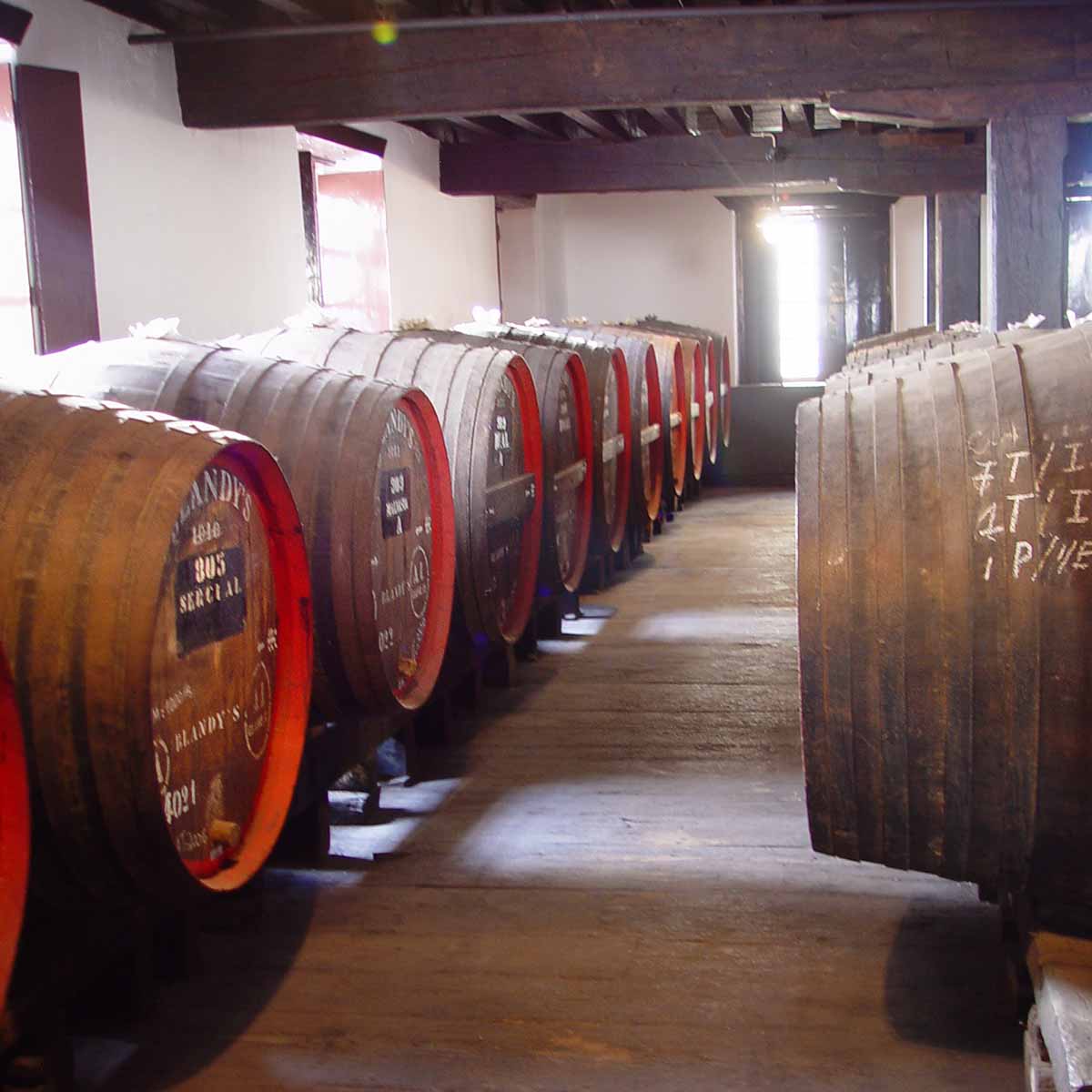
Ever since these wines were accidentally overheated in holds of ships traveling along hot, tropical trade routes, and, to everyone’s surprise, vastly improved, the world has had a passion for Madeira. It’s been a celebratory tipple for centuries, the most famous toast being the one at the signing of the Declaration of Independence.
I snapped the photo above at one of Blandy’s canteiros, or attics. To mimic the heat of the cargo holds, vintners age their wines in hot, bright, and open-air attics. In the summer, when I was there, it was stifling—nearly 95°F (35°C).
Madeira has four major types, neatly named after the grape varieties:
Malmsey (malvasia) is the sweetest, with lovely hints of nuts, caramel, and a bit of chocolate. Grab a bottle when you’re when you’re looking for a post-prandial sip or a wine to pair with deeply flavored desserts, such as chocolate mousse.
Boal (aka bual) is the medium-sweet wine of the quartet. It’s rich with toffee and caramel flavors and teams beautifully with cheeses as well as custard desserts. Pour some when munching on a pastél de nata.
Verdelho crosses the line into drier territory. It offers up of whispers of fig, spicy orange, and the beginnings of more acidic fruits. It’s historically been served with soup and salad courses and is a pleasant surprise coupled with the white gazpacho with crab.
Sercial, the driest and sprightliest of the group, has definite insistence of vanilla, grapefruit, and crisp green apples. It’s an excellent match for most light hors d’oeuvres
While this is a sizable introduction to various foods and wines of the historic region of Portugal, it barely scratches the surface. The country, its food, and people are complex, contradictory, and deeply interesting. If you’re looking for more Portuguese recipes, techniques, and history, I’ve got you covered.
Chow,











I just returned from a food & wine tour of Portugal. We ended at Peneda ecofarm near the national forest for cooking classes ( near Braga). One of the dishes she served was stewed turkey legs with potatoes, rice & cabbage. It was amazing and the turkey just fell from the bone. The braising liquid could have been a meal in itself. This was not part of the classes therefore there was no recipe. And I forgot to ask her. By chance, with your expertise in Portuguese cooking, could you share your thoughts on how to prepare this dish? I have followed you for years and produced many of your recipes. I will try the caldo verde recipe this week, I’m excited. Thank you – BJ
Hello, BJ. The dish you had is called Perna de Peru Estufada (Portuguese Stewed Turkey Legs). I searched through a lot of recipes online and in my cookbooks. This is my best approximation of the recipe.
☞ Caveat: I’ve not made this. But… this is exactly how I start recipe development: seeing what’s out there, putting together the parts that I like, tweaking others, and then testing. It should give a starting point. Please let me know if I came close to what you remember you had.
Traditional Portuguese Stewed Turkey Legs (Perna de Peru Estufada)
INGREDIENTS
2 large whole turkey legs (drumstick and thigh intact), skin-on or skinless.
For the marinade
3 to 4 cloves of garlic, mashed
1 tablespoon massa de pimentão (Portuguese sweet red pepper paste; if you can’t find it, use my Amped-Up Pepper Paste)
1 teaspoon sweet paprika
1 bay leaf
Salt and black pepper
For the refogado base, onion and garlic
1/4 cup extra-virgin olive oil
1 large onion, finely chopped
4 cloves of garlic, minced
1 bay leaf
1 thick slice of chouriço (optional, diced for depth).
For the braising liquid
1 cup dry white wine (preferably a crisp Vinho Verde)
1 cup poultry or vegetable stock
1 cup of crushed ripe tomatoes
For the vegetables
4 large yellow potatoes, peeled and quartered
1 small head of Savoy cabbage (couve lombarda) or Portuguese cabbage (couve galega), cut into thick ribbons
INSTRUCTIONS
1. For the best flavor, rub the turkey legs with the mashed garlic, massa de pimentão, paprika, salt, pepper, and a crumbled bay leaf. Let it sit for at least 2 hours, or overnight in the refrigerator.
2. In a large, heavy-bottomed pot or Dutch oven, heat the olive oil over medium-high heat. Scrape excess marinade off the turkey (save it!) and sear the legs until beautifully browned on all sides. Remove the turkey and set it aside.
3. Turn the heat down to medium. In the same pot with the turkey drippings, add the chopped onion, minced garlic, chouriço (if using), and a fresh bay leaf. Cook slowly until the onions are completely melted and translucent. Stir in the crushed tomatoes and any leftover marinade, allowing it to caramelize slightly for 2 to 3 minutes.
4. Pour in the white wine to deglaze the pot, scraping up all the savory bits from the bottom. Let the alcohol bubble away for 2 minutes, then add the stock. Return the turkey legs to the pot. Cover tightly, turn the heat down to low, and let it simmer for 1 1/2 to 2 hours. Turn the legs occasionally. You’ll know it’s ready when the meat practically drops off the bone when nudged with a fork.
5. About 25 minutes before serving, nestle the quartered potatoes into the bubbling braising liquid. Ten minutes later, layer the thick ribbons of cabbage right on top, pushing them slightly into the broth. Cover and cook until the potatoes are fork-tender and the cabbage is soft but still vibrant.
6. To serve, place the turkey legs on a large platter surrounded by the potatoes and cabbage. Ladle a generous amount of that luxurious, rich braising liquid over everything, and serve it alongside a steaming bowl of garlicky white rice.