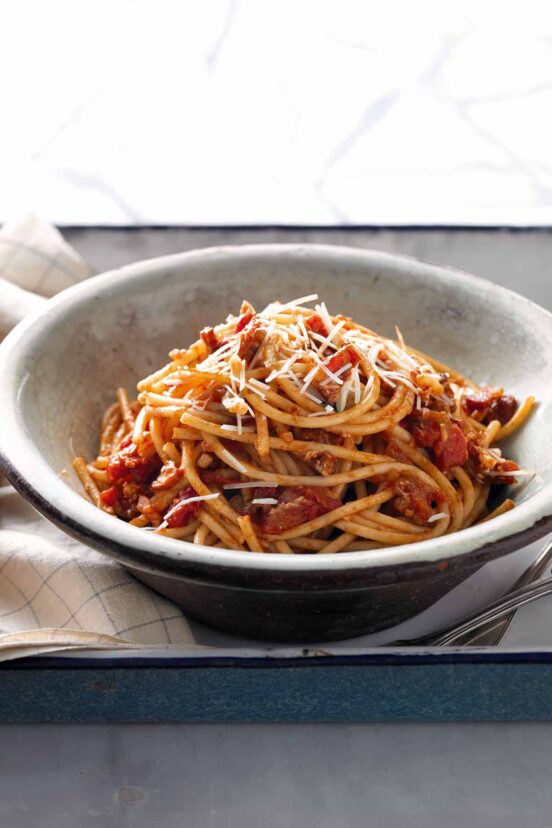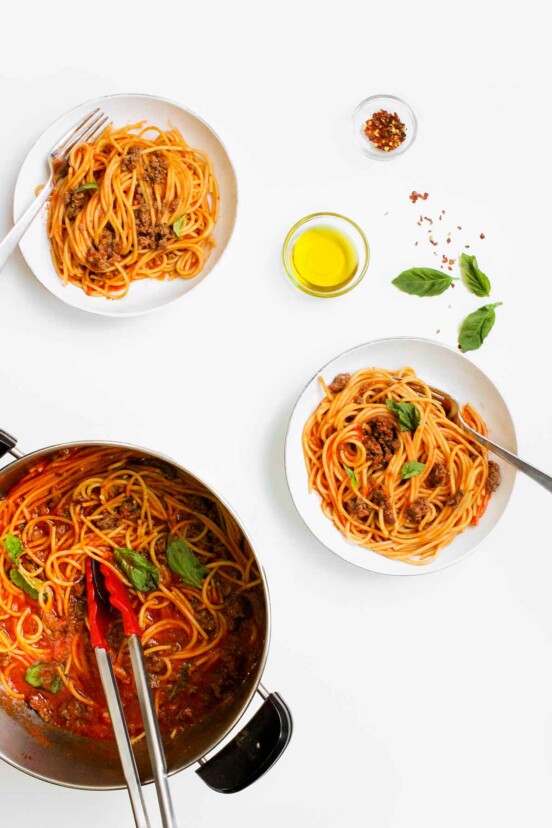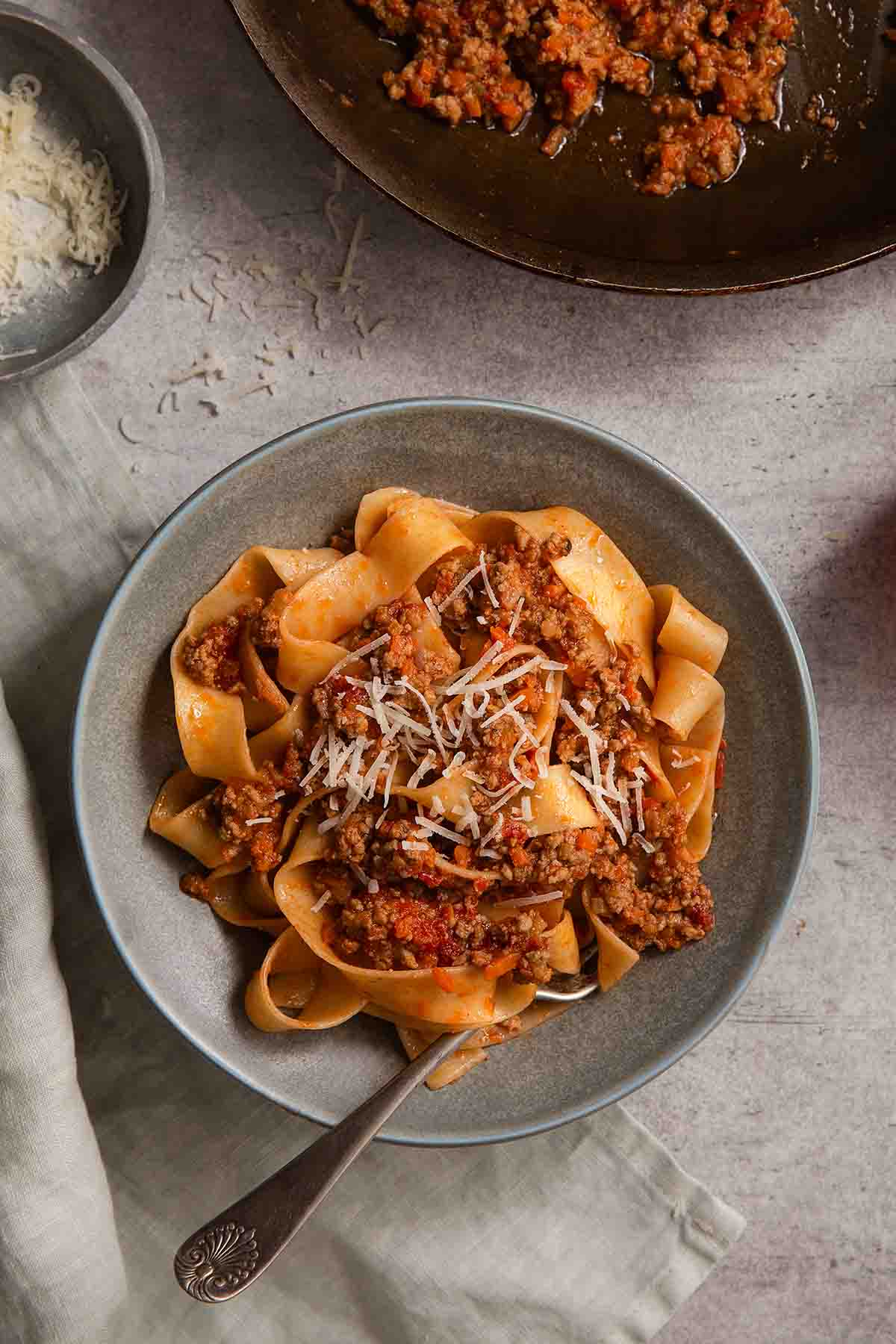
Marcella Hazan’s Bolognese Sauce
Is anything more soothing than standing before a burbling pot of Marcella Hazan’s Bolognese sauce? (Hint: Our answer is absolutely not.)
6 hrs
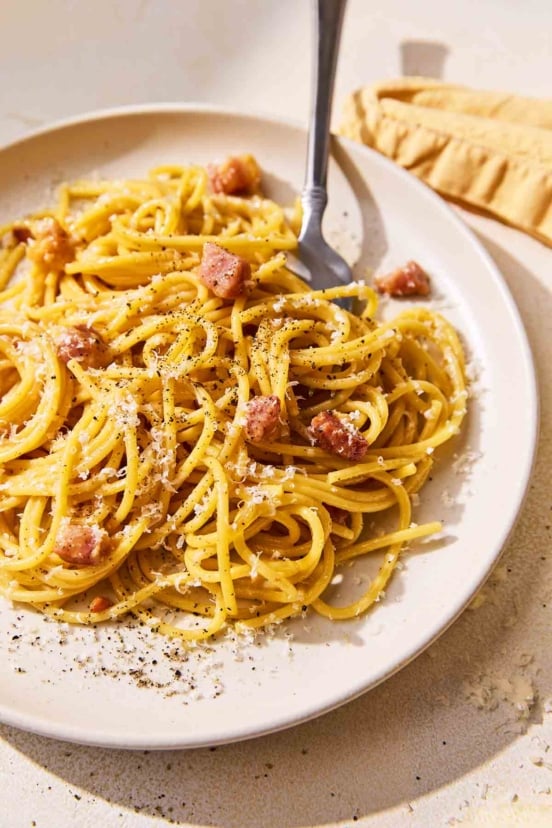
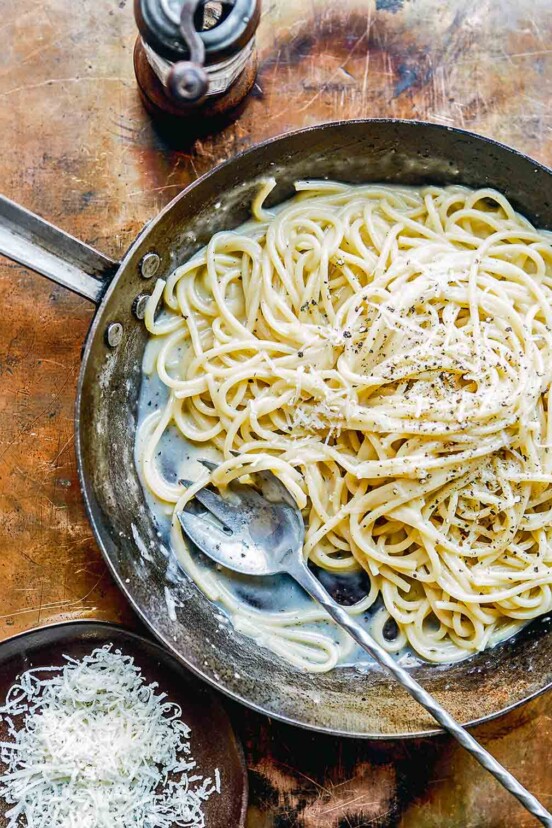
Welcome to my carb-lover’s paradise, where comfort rules. Whether you’re craving the rich depth of a classic, long-simmering Bolognese or the quick simplicity of spaghetti carbonara, I’ve got you covered.
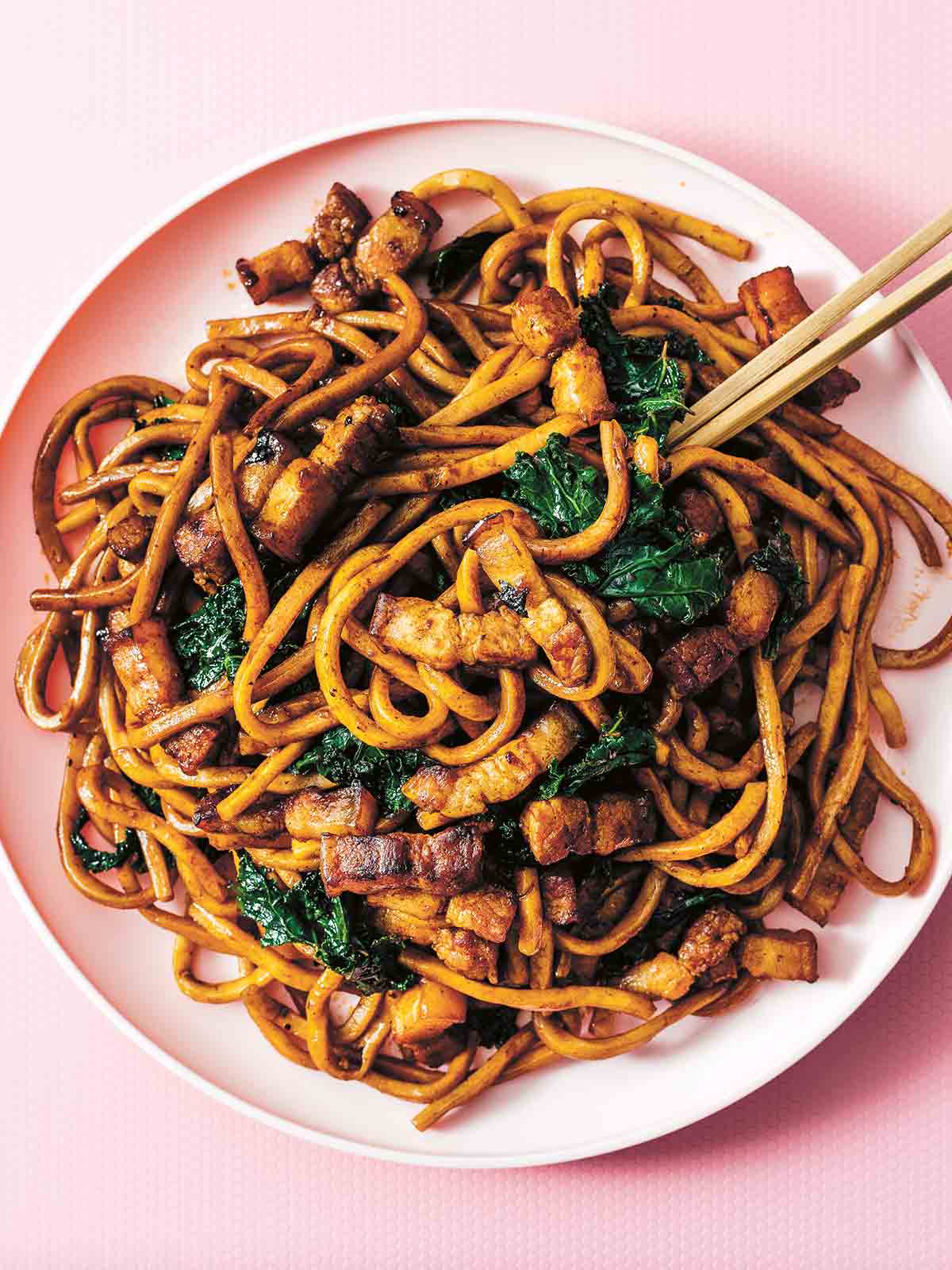
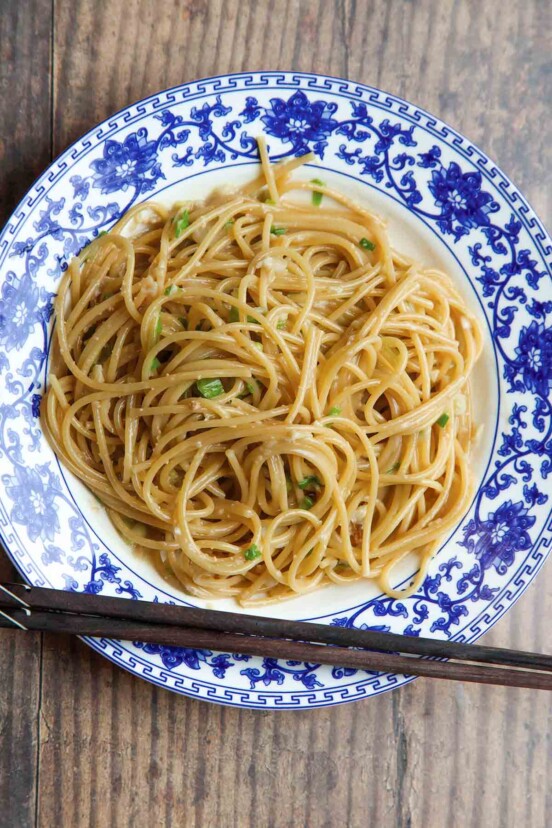
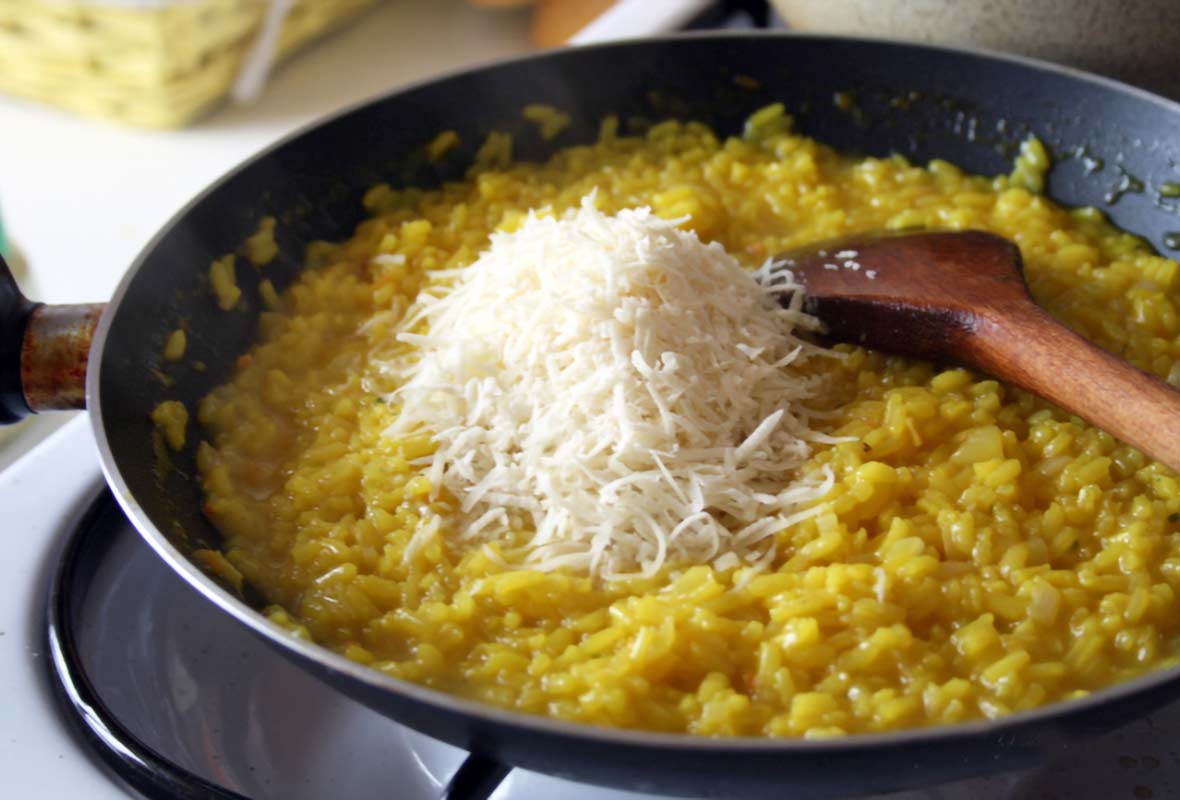
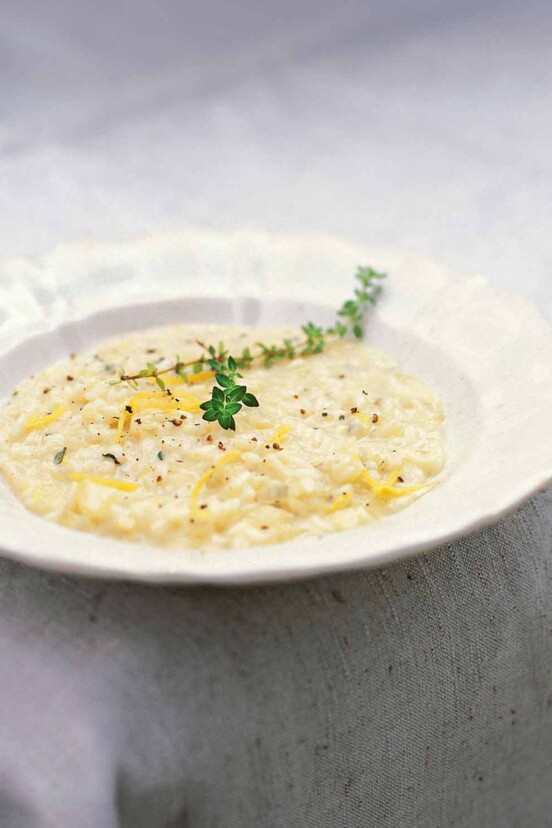
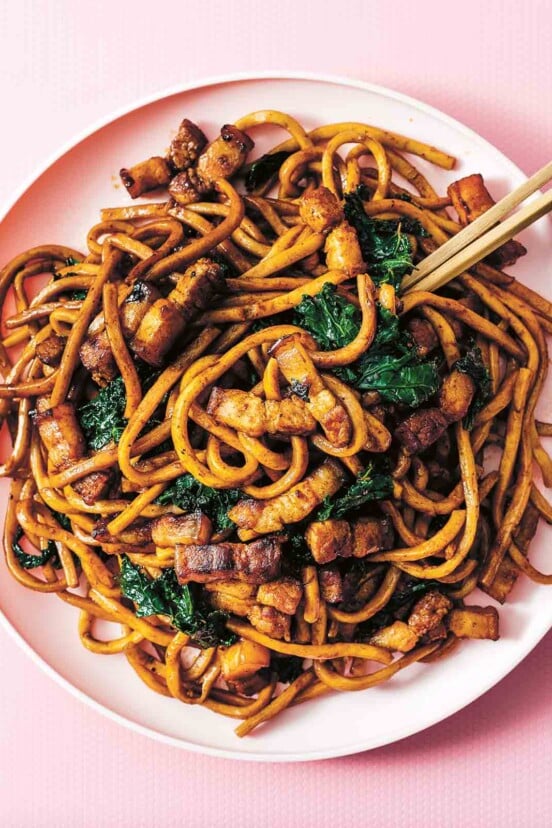
But my love for the strand doesn’t stop in Italy. I’ve added my favorite savory Asian dishes, like Shanghai Fried Noodles and Vietnamese Garlic Noodles. You’ll also find my favorite grain recipes, such as Portuguese Duck with Rice and creamy risottos, tucked in here so that every dish is wicked comforting. Mangia! Chī ba! Slurp, my carb compatriots, slurp!
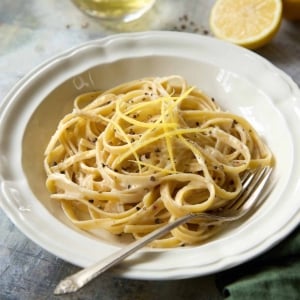
These are some of the most popular and beloved pasta recipes of all time. Make them, remember them, and serve them often.
6 hrs
25 mins
55 mins
10 mins
35 mins
25 mins
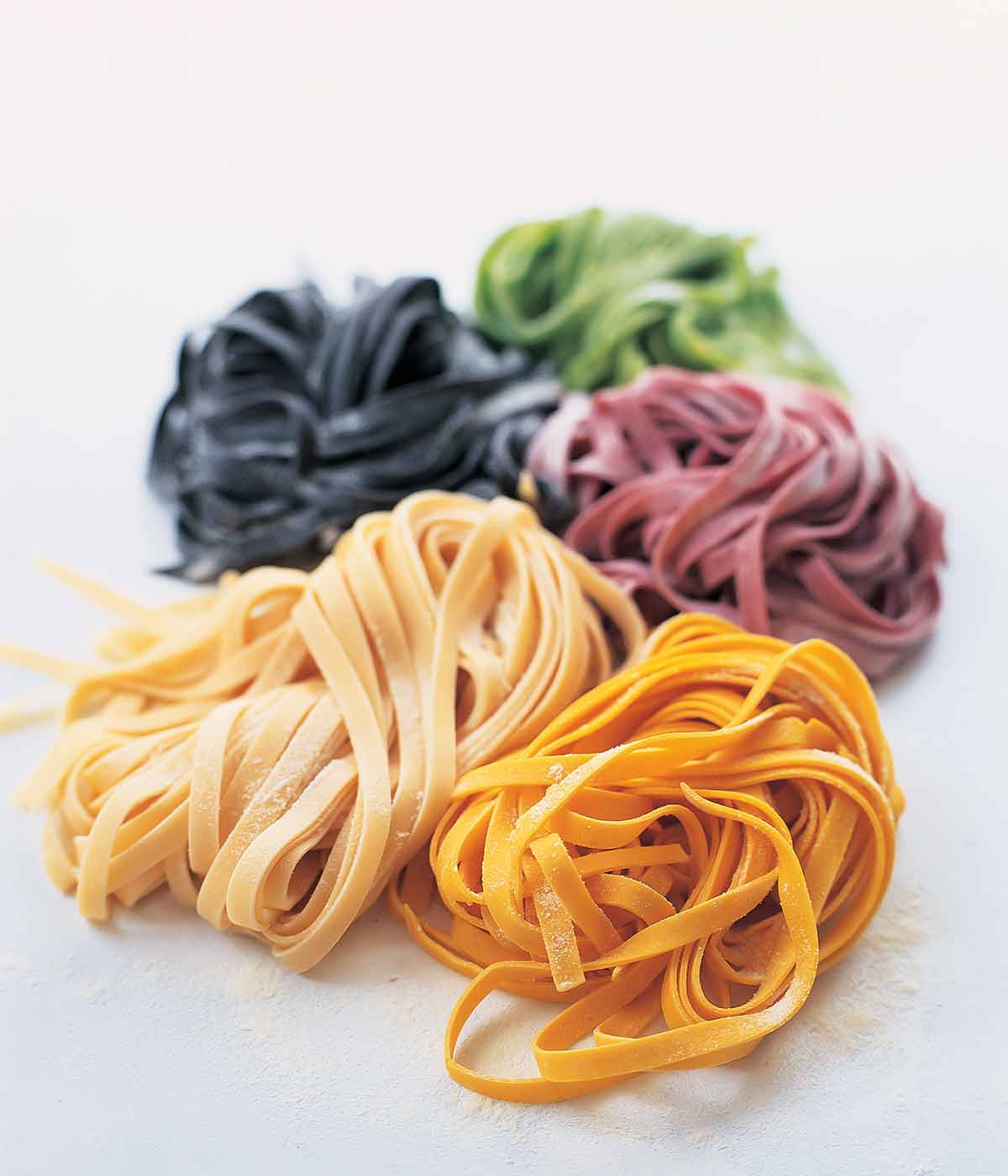
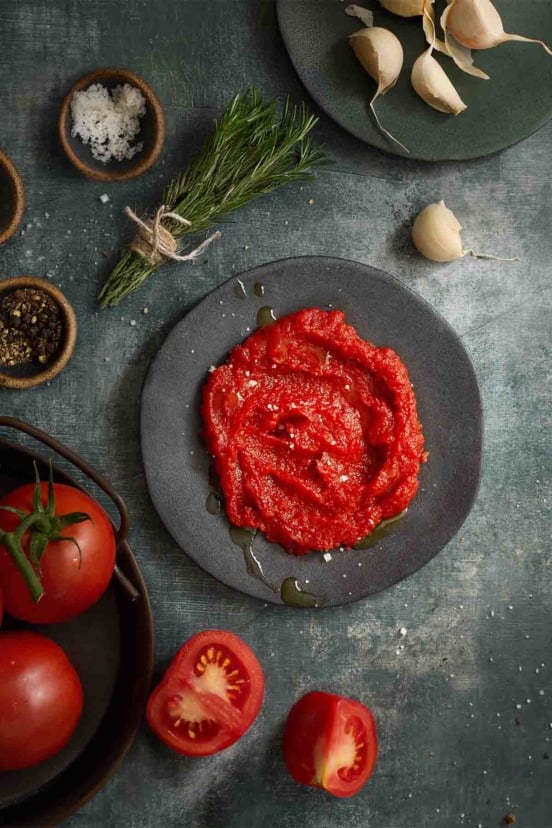
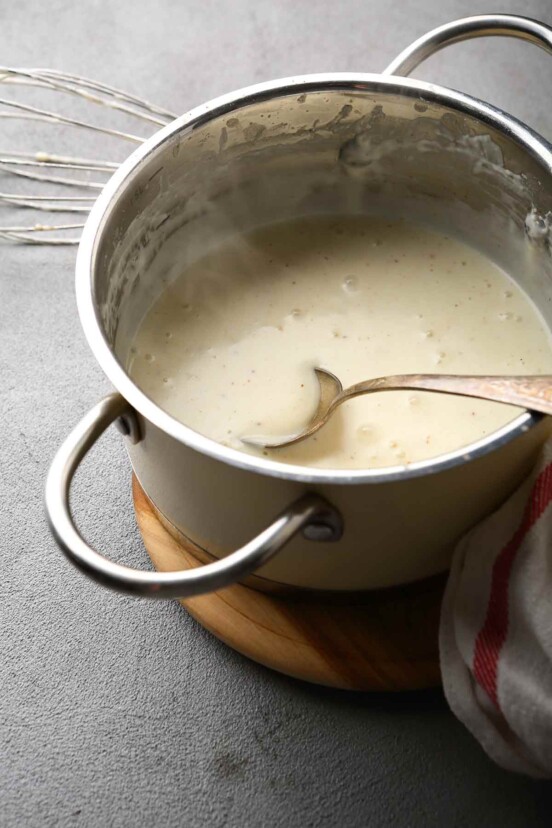
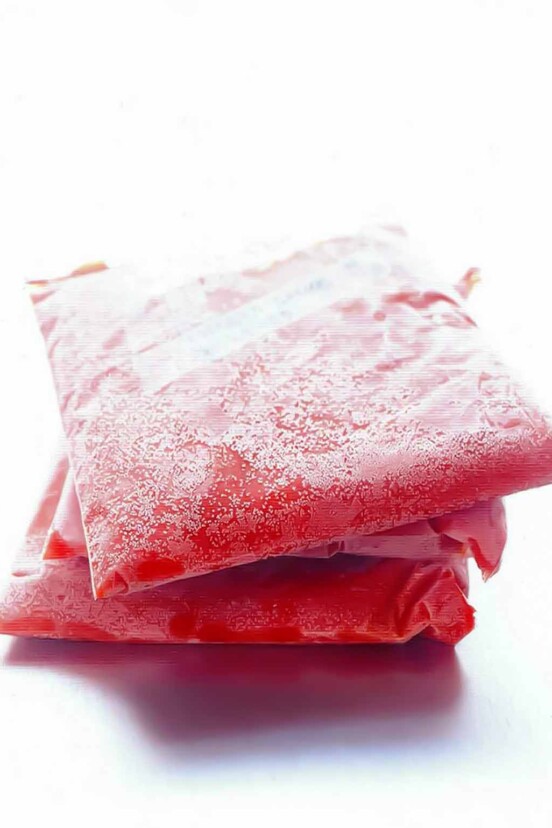
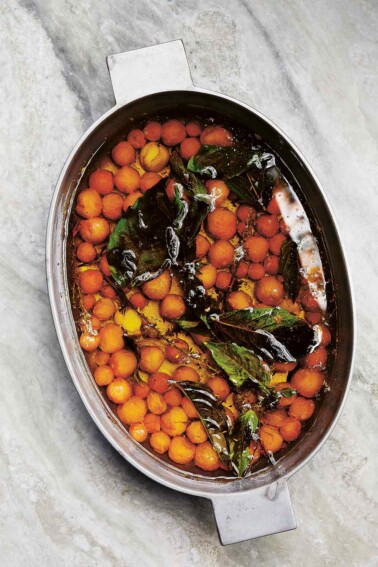
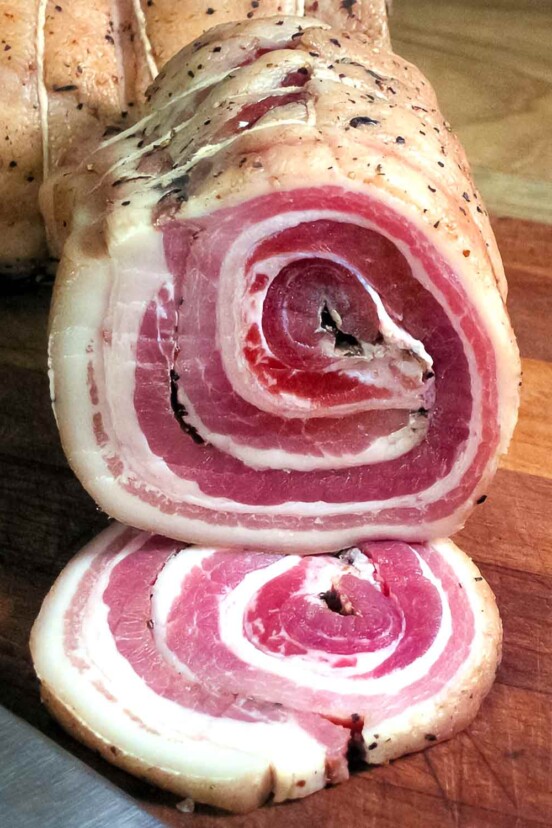
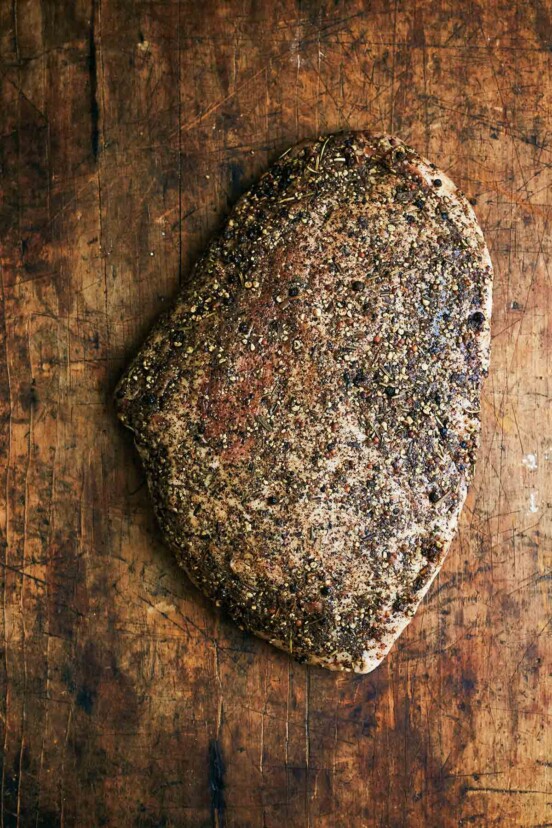
If you’re hankering to make your meal from scratch, here’s everything you need from pasta and sauces to cured meats.
1 hr 30 mins
The short answer: it depends on what you’re making. The ratio of “00” flour to semolina rimacinata changes how the dough handles, which shapes it can pull off, and which sauces make sense on the plate. Here’s the breakdown.
| Semolina % | Dough Behavior | Best Pasta Shapes | Best Sauces |
|---|---|---|---|
| 0% (all “00”) | Silky, supple, very forgiving. | Ravioli, tortellini, cappelletti, agnolotti, lasagne sheets, taglierini. | Brown butter, light pesto, simple olive oil, delicate cream sauces, tomato sauce, meat ragù. |
| 15–20% | Slight tooth, a little more structure, still easy to work. | Tagliatelle, fettuccine, pappardelle, garganelli, maltagliati. | Bolognese, ragù, creamy tomato, mushroom sauces |
| 30–50% | Chewy, rustic, pushes back — add water as needed. Pro Tip: Let this dough rest at least 60 mins so the semolina fully hydrates. | Orecchiette, cavatelli, trofie, busiate, pici* | Broccoli rabe, chunky vegetable ragù, simple tomato and olive oil, clams |
*Most of these shapes are traditionally made with semolina and water only—no eggs. Pici is typically “00” and water. At this percentage in an egg dough, you’re in home cook hybrid territory, not strict tradition.
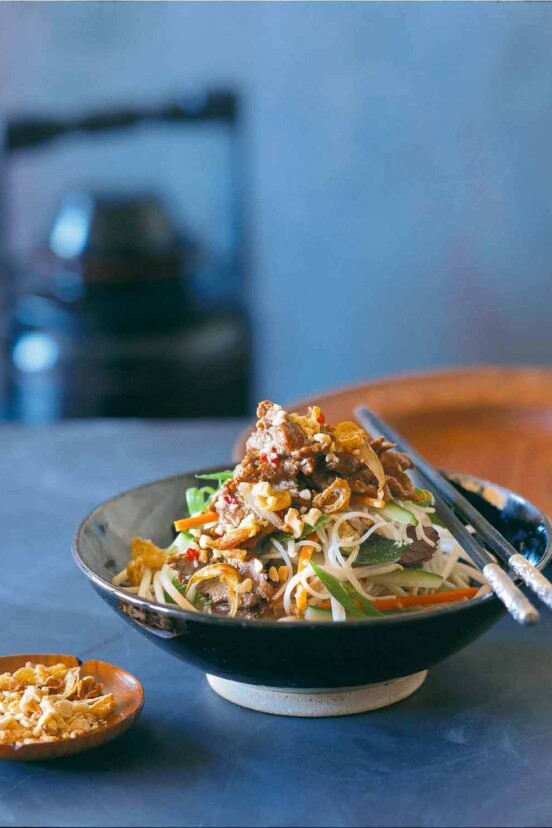
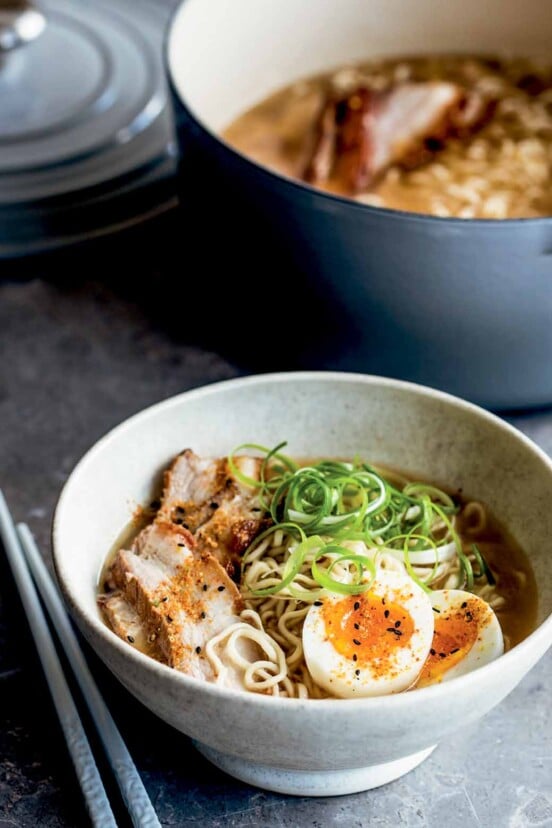
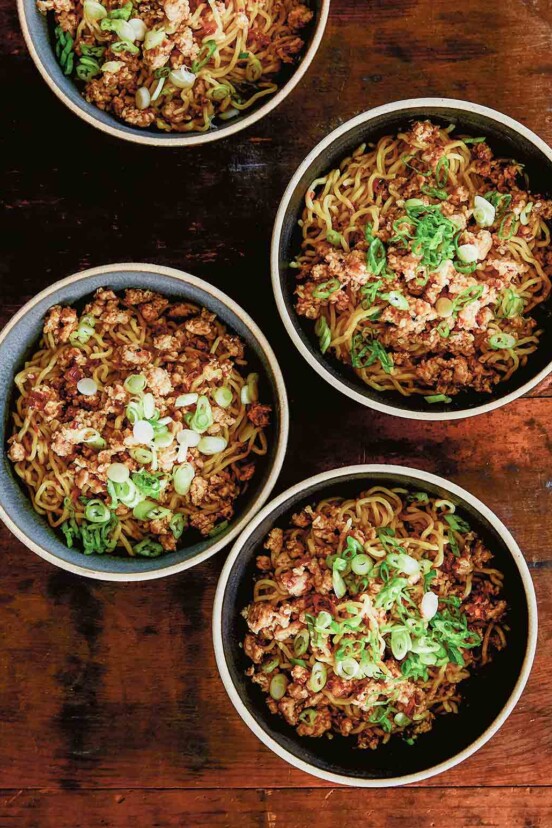
From spicy Dan Dan noodles to cooling sesame bowls, explore the wild textures of rice, wheat, and buckwheat noodles.
20 mins
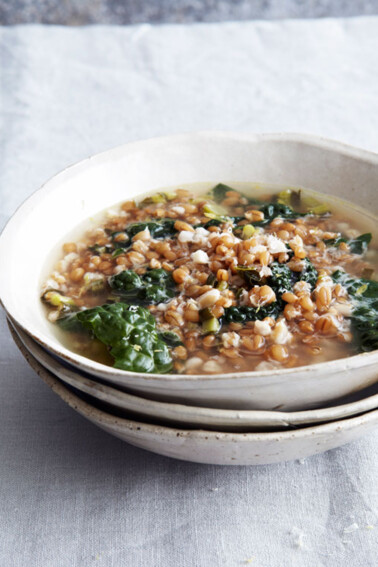
While I’m hardcore pasta-obsessed, I know a great meal often starts with a grain. Here you’ll find the best risottos, fluffy rice dishes, and hearty grain bowls to round out your menu.
1 hr
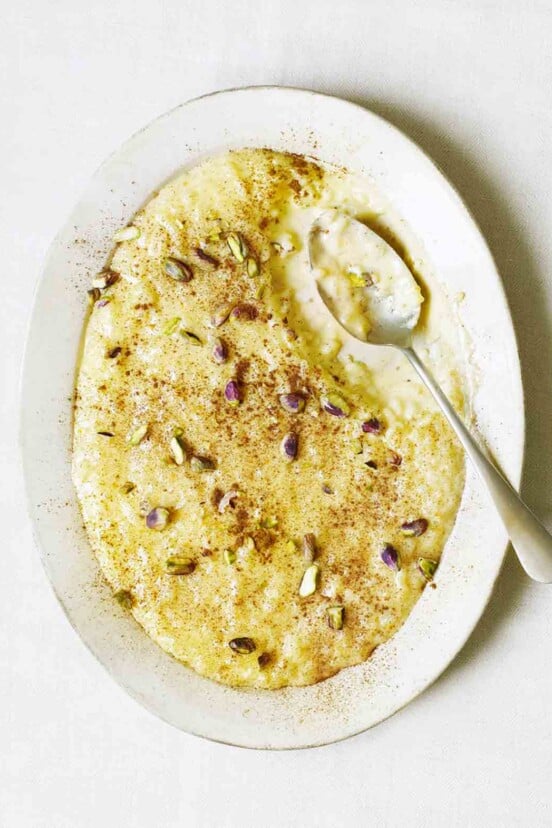
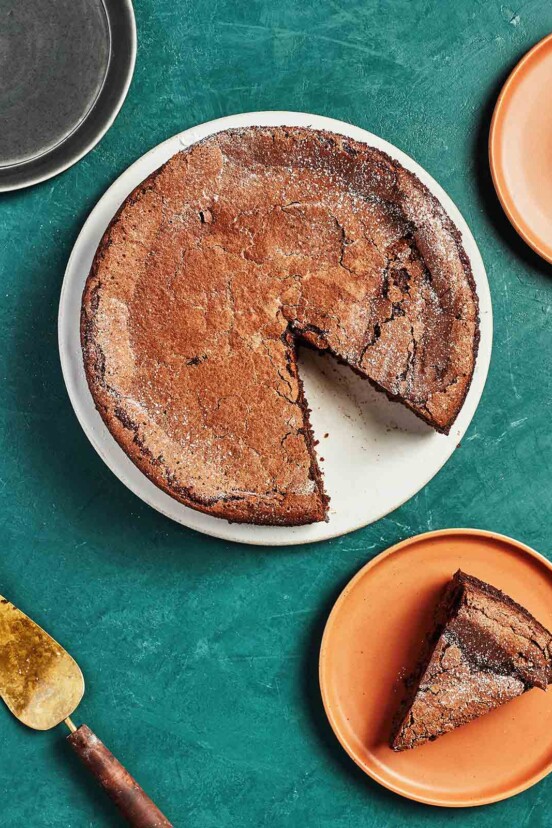
From the silky comfort of rice pudding to the rich crumb of a polenta cake, explore how these recipes zhuzh up the final course.
13 hrs 30 mins
1 hr
1 hr 30 mins
While they’re both dough strands, the difference lies in the ingredients and tradition. Italian pasta is typically made from durum wheat semolina and water (or eggs) and is meant to be cooked al dente. Noodles, on the other hand, are way more diverse, using everything from rice and buckwheat to mung bean starch, and are often softer in texture.
Dry to Fresh
This hangs up a lot of people, me included. But the math is pretty simple: 1 pound of dry pasta is roughly equivalent to 1.5 pounds of fresh pasta. Because fresh pasta has a higher moisture content (and often contains eggs), it’s heavier but less concentrated than its dried brethren.
Fresh to Dry
If you’re going the other way—swapping fresh for dry—the rule of thumb is to use about two-thirds of the weight. For example, if a recipe calls for 1 pound of fresh tagliatelle, you’ll want to use about 10 to 11 ounces of dry pasta.
☞ Just remember to watch the pot—fresh pasta usually cooks in a lightning-fast 2 to 4 minutes, whereas dry pasta needs 8 to 12 minutes to reach that perfect al dente.
Totally. Absolutely. 100%. It’s your only chance to season the pasta itself from the inside out. Experts recommend about a tablespoon of kosher salt per four quarts of water—it should taste like the sea before you drop the first strand. But let’s be honest? Who in their right mind is going to taste boiling water?
Personally, I go a little heavier on the salt, since 99% of it is tossed out in the water. I add about 1 1/2 tablespoons of kosher salt per 4 quarts of water.
For a main course, I usually aim for 2 ounces of dry pasta or 3 to 4 ounces of fresh noodles per person. If you’re feeding a crowd of Carb Culinistas, always err on the side of making a bit extra—leftovers are the gift that keeps on giving.
Oh, dear God, yes! That starchy water is liquid gold, to use a hackneyed phrase. It’s the secret to a glossy, pro-level sauce. Adding a splash to your pan helps emulsify the fats and liquids, making the sauce cling to every noodle instead of pooling at the bottom of the bowl.
I also save about a quart of the water in a jar to place it in the fridge. It’s great for helping emulsify sauces, giving somebody to stews, and even an extra flavor to cook vegetables.
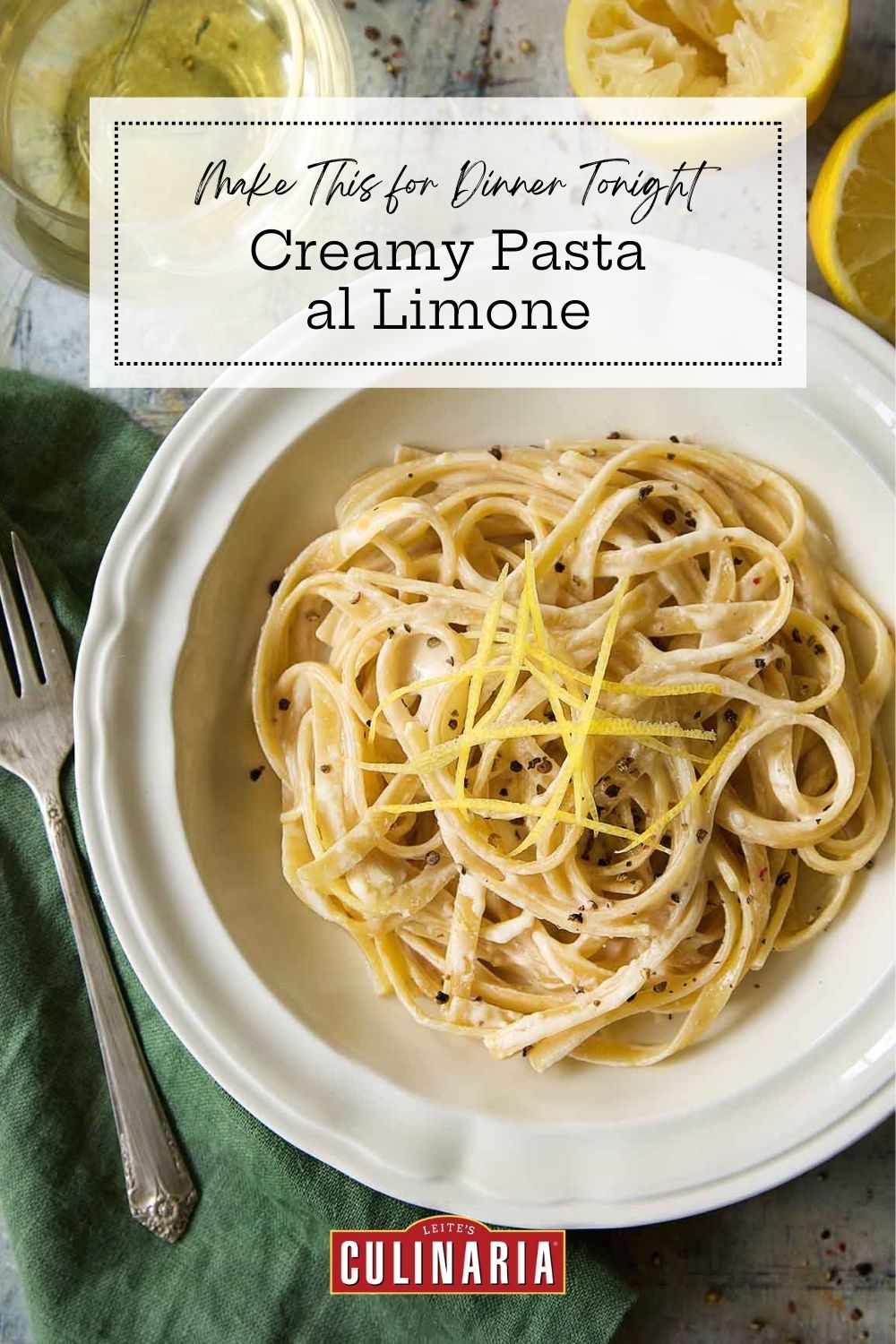
Please say hello to the rest of LC’s pasta & noodles recipes!
30 mins
20 mins
1 hr 30 mins
30 mins
35 mins
30 mins
25 mins
1 hr 45 mins
50 mins
As Seen In